
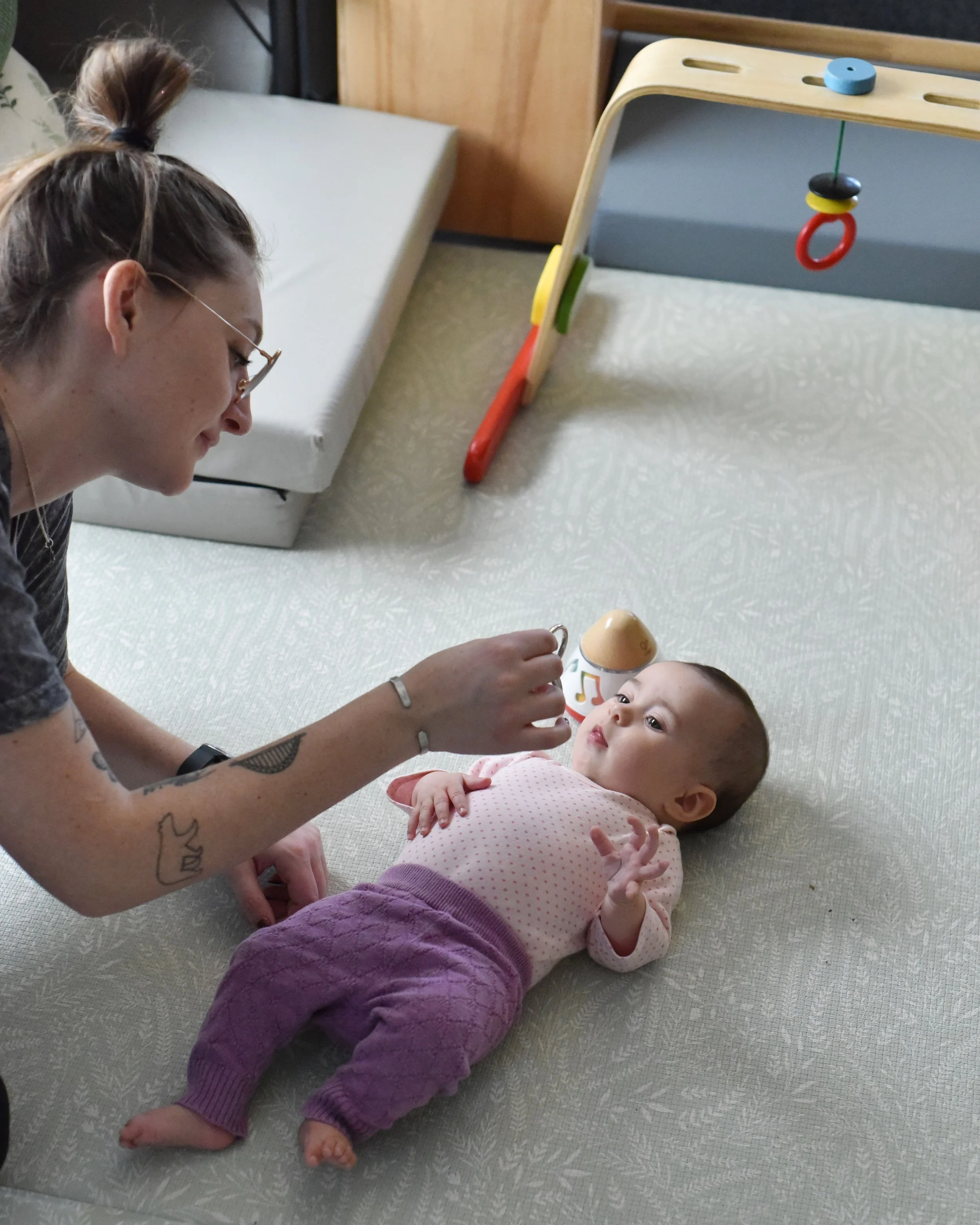
Building Trust in the First Year: Attachment in the Nido
The Nido is an environment that is designed to provide an infant with a safe and predictable entrance into Montessori communities away from home. The routine of the day and consistency of the adults allows for babies to settle in and feel comfortable in a wholly new environment while learning that their needs will be met. This eventually leads to them feeling confident enough to explore their surroundings and move away from the adults to interact with the materials on the shelves. All of this development is essential to their work of self-construction.

Learning through Food
As we enter the season of many holidays, it is a wonderful time to reflect on all the meanings that food can have. Food can be used as a means of connection, showing love, building community, and preserving traditions. In the Nido, meals are a central part of our community.
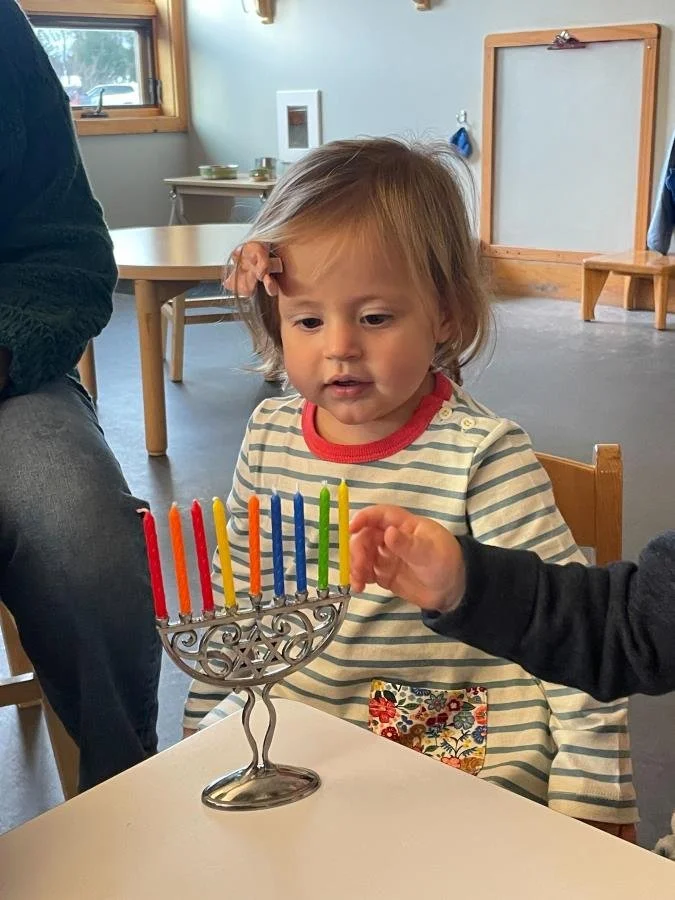
Incorporating Holidays into the Classroom
In September of 2020, the staff of The Children’s House was privileged to virtually host Britt Hawthorne for an Introduction to Anti-Bias Education. Every time we have an adult learning opportunity as a staff, I try to make an intentional change to the way that I think about things in my classroom and my worldview in general.
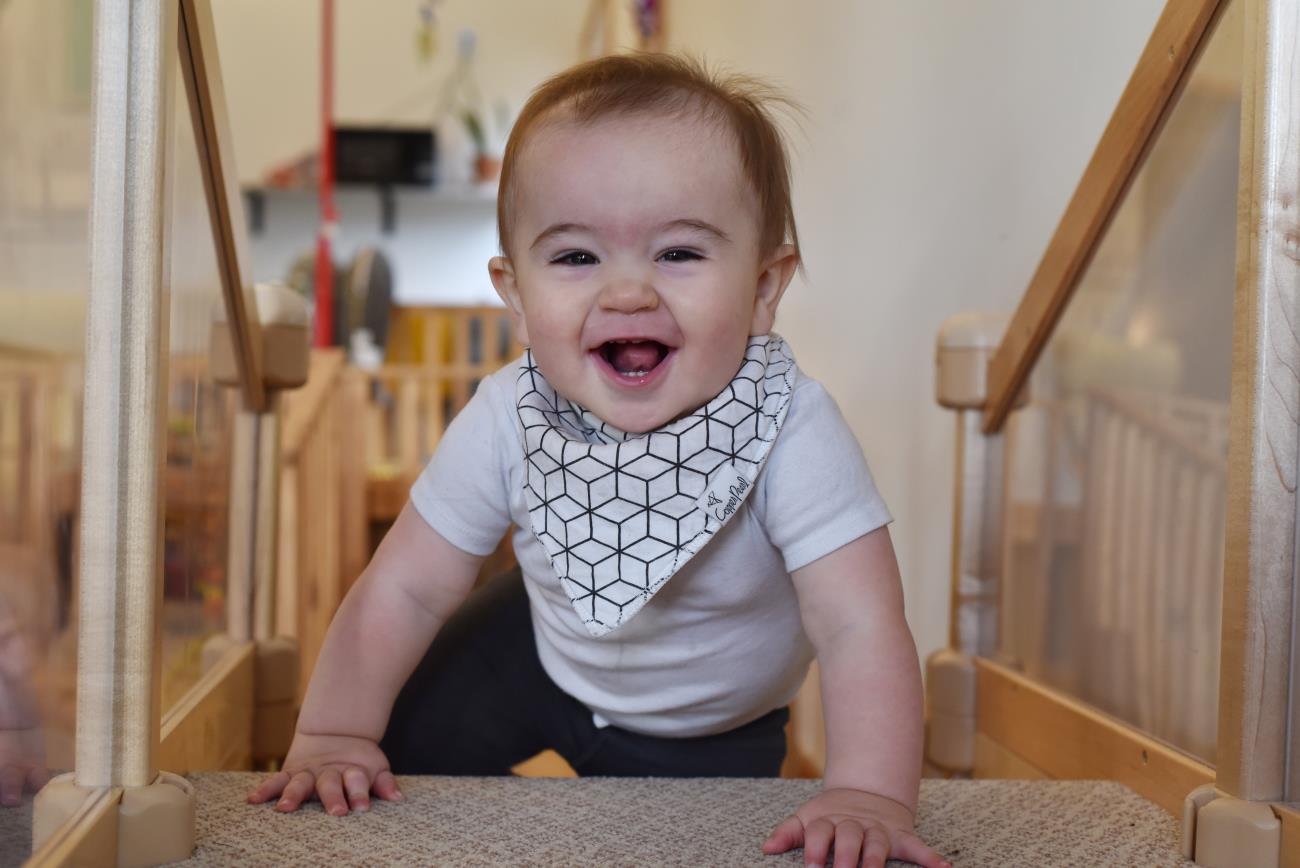
Believing in the Child
The role of the adult is not to pave a pathway for the child, but to make sure that the child has what they need to forge their own way. The greatest way for us to support children is to treat them with constant love, trust, and respect. It is so important that each child feels loved just as they are.
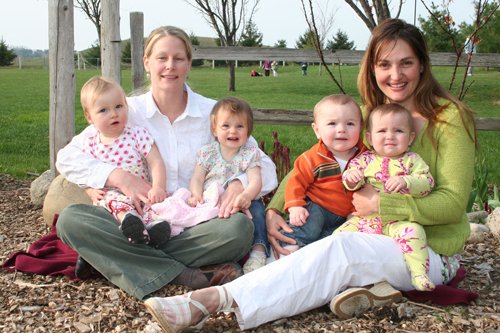
Four Calling Birds
That year, I was given the chance to do something I had longed for many times. In September of 2007, I took charge of the Nido program at The Children’s House, and my dream of guiding infants came true. The Nido program itself was still in its infancy and just four babies, Alexander, Dillyn, Elise, and Lola, were put under my care for the school year.