

The More You Know
TCH is a community not only for our 260 learners, but for families and caregivers as well. Over the 38-year history of our school, we have been dedicated to creating partnerships with families in support of our students. An important aspect of our partnership are the opportunities for learning that we provide for the parents and caregivers in our school community -- a year-long calendar of offerings in family education, discussion groups, and webinars with the experts.
Traditions and Celebrations
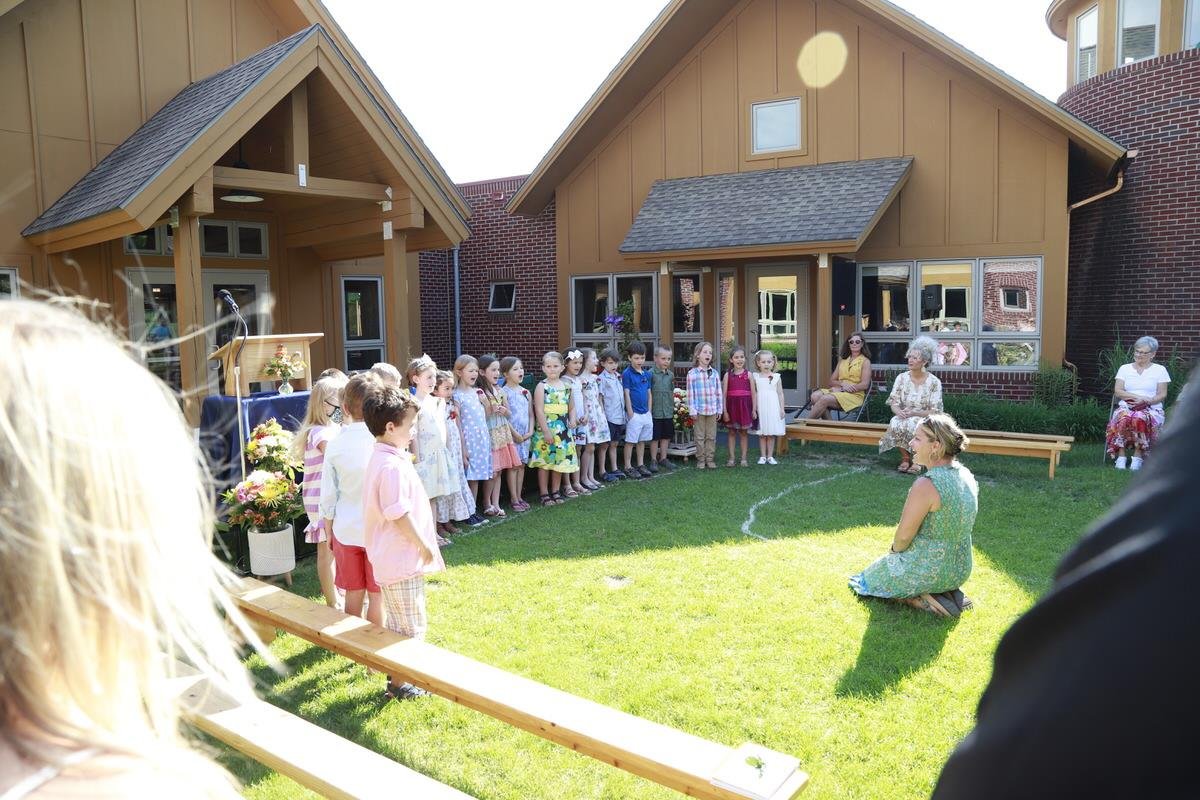
The Children’s House was founded in 1984 in a small farmhouse in Sutton’s Bay. In the early years, the school consisted of one Toddler community and one Primary classroom. When the children completed their Kindergarten year, they moved on to different schools for elementary. During this time, traditions were created that have continued to be celebrated throughout these past 38 years.
The Language of Encouragement
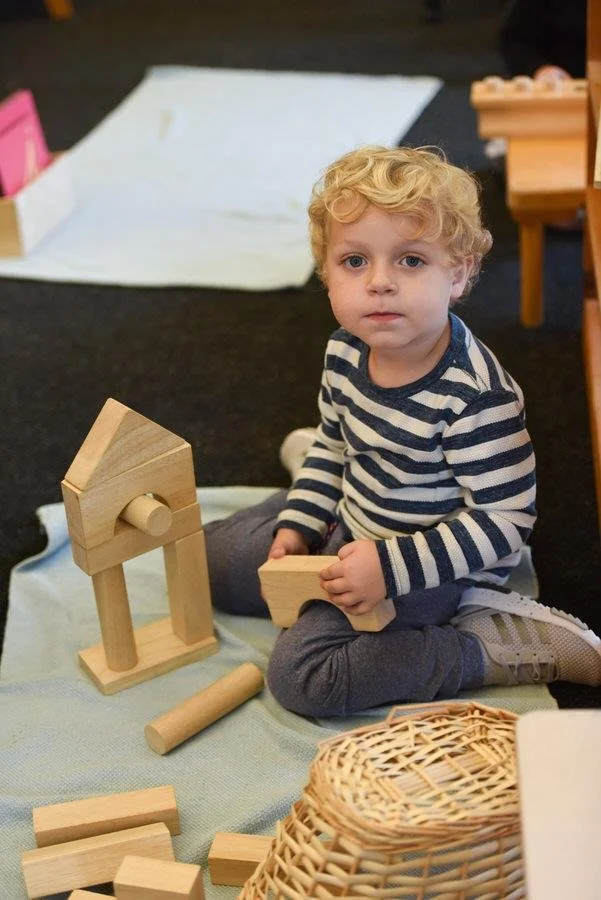
We often hear the terms “praise” and “encouragement” in a wide variety of school settings. Praise is typically defined as expressing approval or admiration whereas encouragement is a more supportive action that points out facts without tying them to an evaluation of one’s work. In a Montessori classroom setting, we provide encouragement by noticing. This may be as simple as “You spent the whole morning on your cursive handwriting,” or something more complex such as, “It felt helpful when you cared for our community by setting the lunch table.”
Freedom and Limits
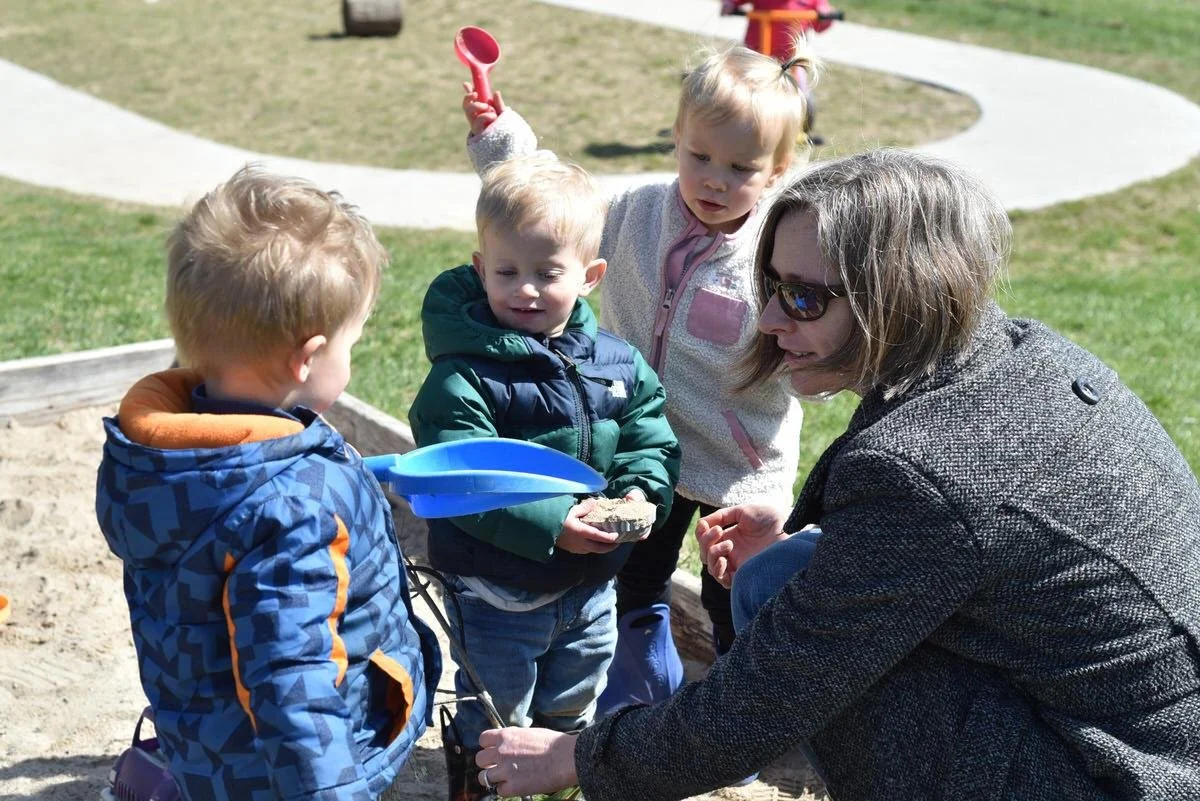
As a parent of a child attending a Montessori school, you have heard the phrase “freedom and limits” many times during conversations with your child’s guide. What does it really mean? What is freedom and why do I need to apply any limitation to my child’s actions?
Supporting Montessori at Home
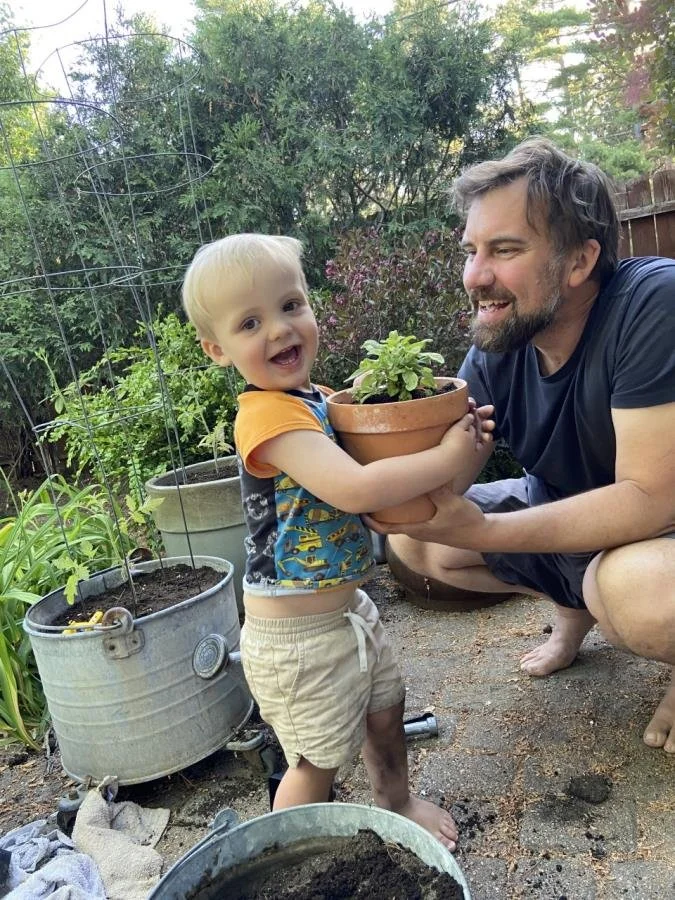
One of the goals, when we prepare our classroom environments for the children, is to make it like a second home for them. We observe our learners so we can design an environment that acts as its own teacher or guide for the children.
Becoming a Montessorian
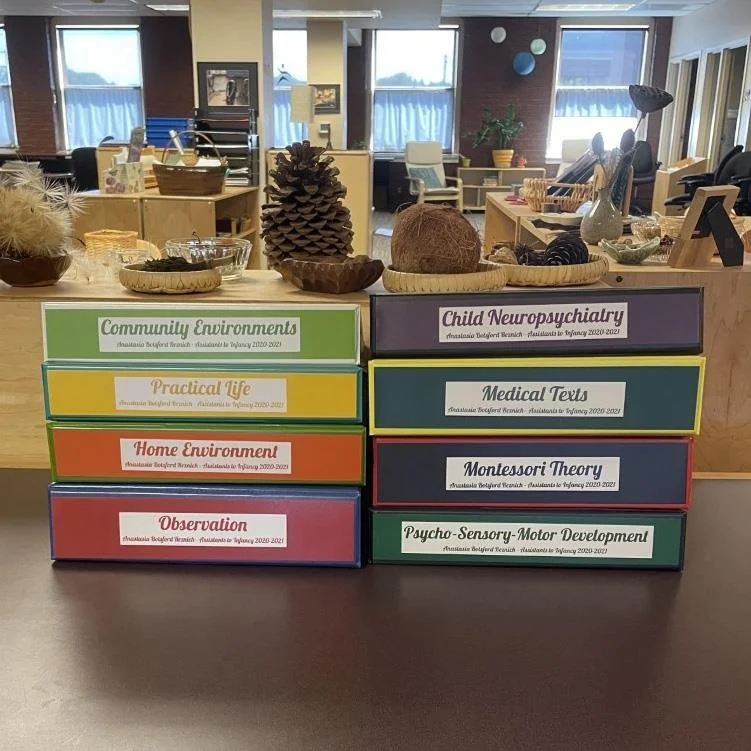
Over the past two summers, I had the privilege of pursuing my Montessori training. After a summer of virtual training due to COVID-19, this past June I eagerly loaded my Siberian husky into my Subaru Outback and headed to Montessori Northwest in Portland, Oregon. Despite the relentless 115° summer, I had a life-changing time.
Role of the Guide
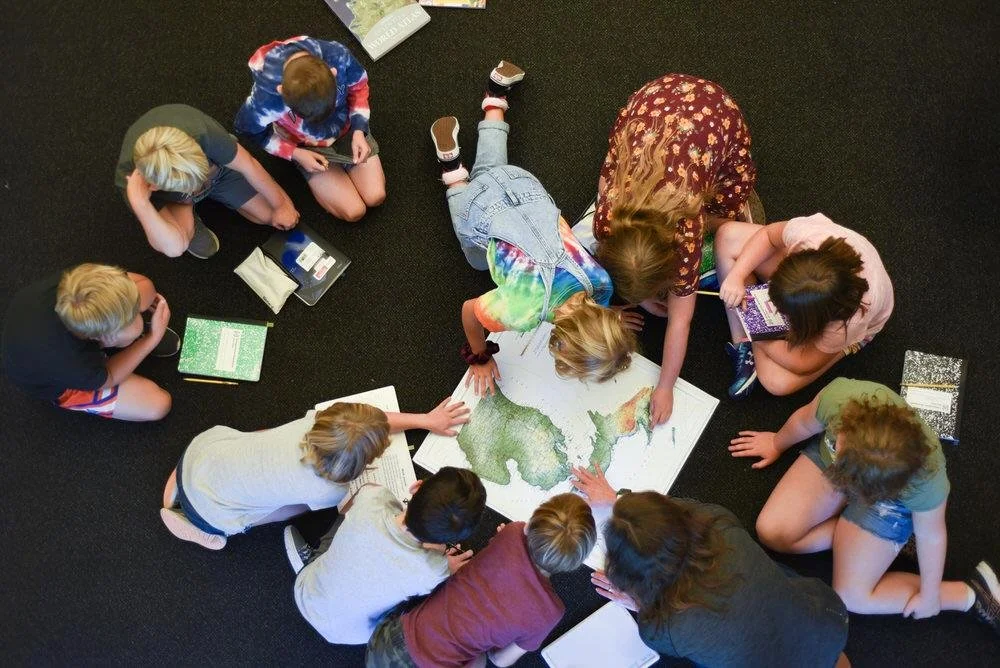
Why do Montessori schools use the term “guide” instead of “teacher” and how is a guide’s role different from what may be expected of a traditional teacher? Word choice matters and helps all of us in the role of guide stay true to our training and the children’s needs. One definition of “to teach” is “to impart knowledge,” whereas “to guide” can be defined as “to show the way.” From the child’s perspective, a difference between approaches may be perceived as either being given all the answers or being shown how to find your own.
Specials in Elementary
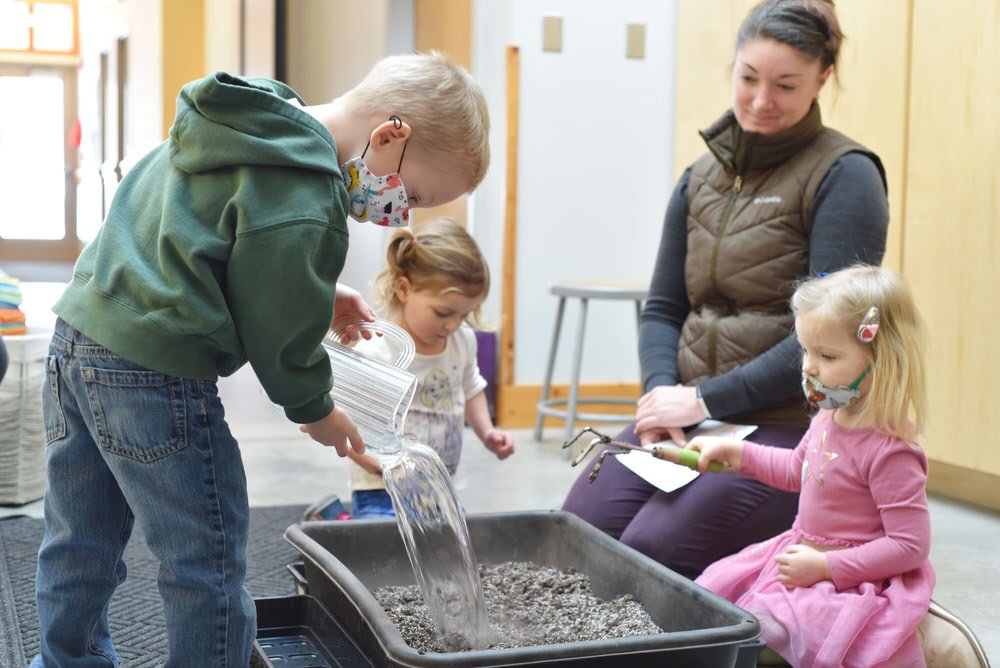
Many people in our school community attended an elementary school where art, music, and PE were once-a-week opportunities that were earmarked as very special days. Perhaps this is how the term “specialist” was coined.
The Four Planes of Development
During recent faculty meetings we've enjoyed lively conversations about how children at each level adapt and explore independence in our classrooms. It is fascinating to take a philosophical topic and see how it manifests in our learners across the span of their time at The Children’s House.
From Concrete to Abstract
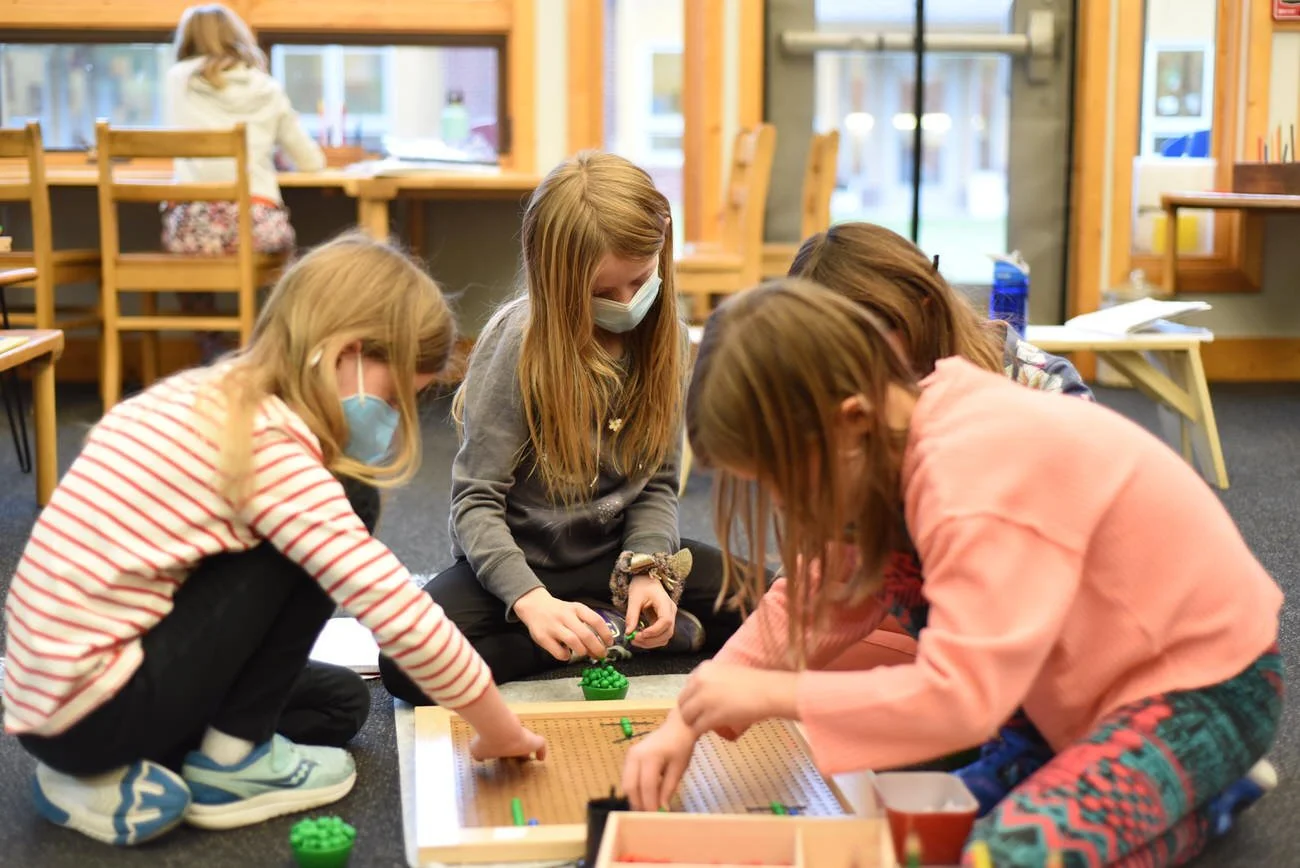
Walking into a Montessori elementary classroom, you will more than likely find a group of children moving beads from tubes to a set of boards, as well as transferring these colorful beads between one another. From a distance, it may look like the children are playing with beads. But on closer observation, the children are actually discussing and working through a long division problem.
Writing Before Reading
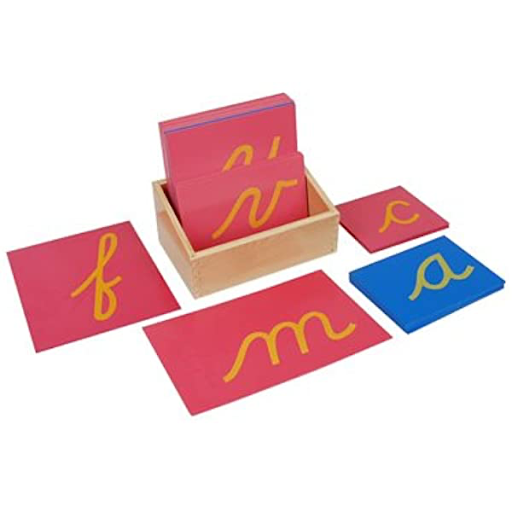
Many of us who grew up attending traditional schools learned to read before we learned to write. We were taught the names of letters before learning the sound made by each letter. However, the Montessori sequence of lessons gives children opportunities to write before they even begin to read.
Giving Your Child the Gift of Independence
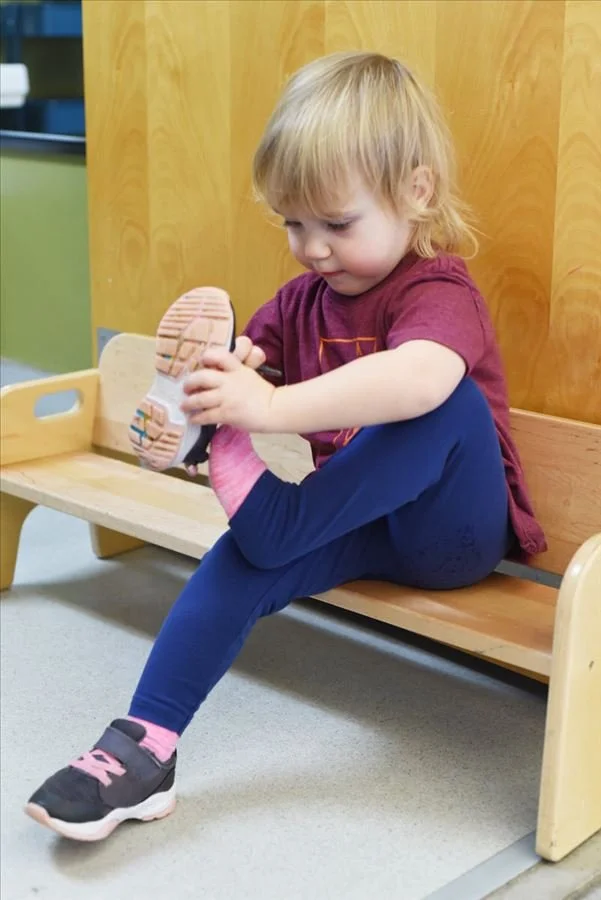
Have you noticed that all babies and young children tend to want to do things by themselves? This tendency is the beginning of independence, which promotes confidence and self-esteem as well as motivation and perseverance. It fosters self-reliance, allowing your child to feel they have control over their life. It gives your child a sense of importance and belonging which is essential for building social relationships and for contributing to the world.
Moving up to Primary
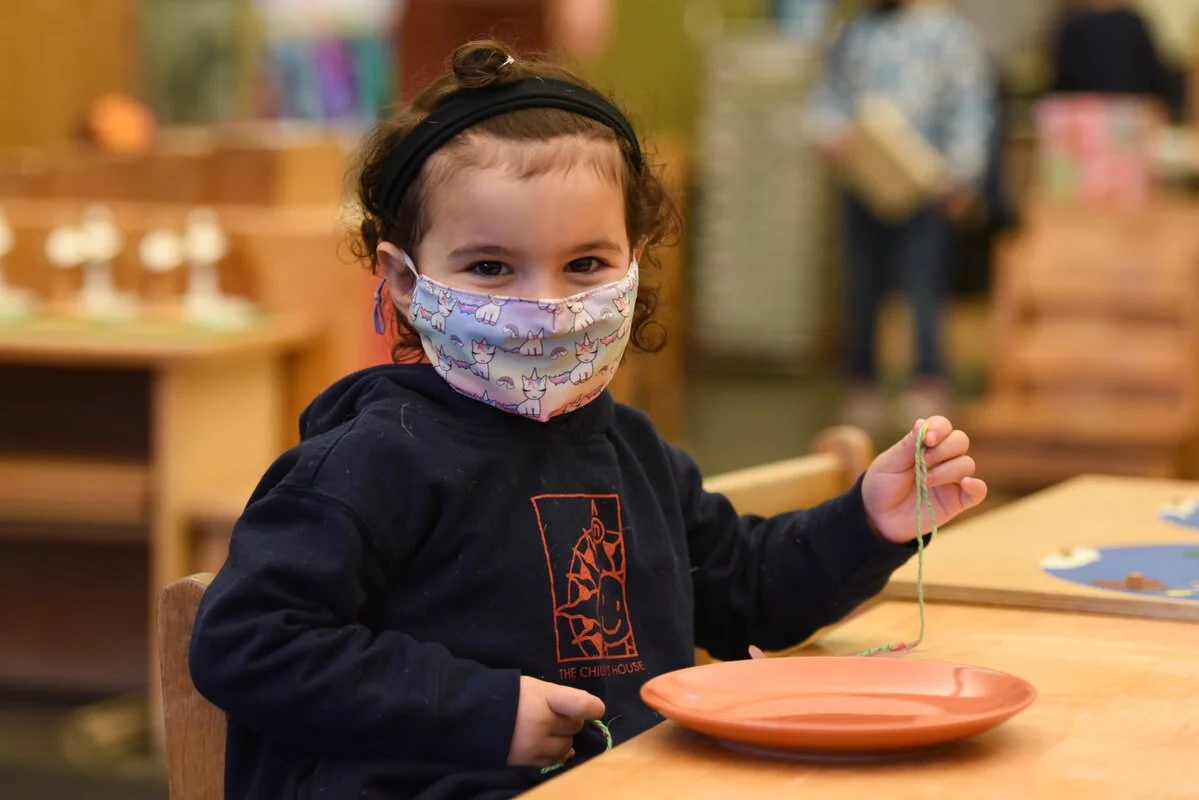
Your child’s transition into the world of Primary is an exciting, integral part in their development. The environment that awaits them is larger, filled with wonderful new materials to explore and new friends of various ages to lend a hand and engage in more mature social interactions.
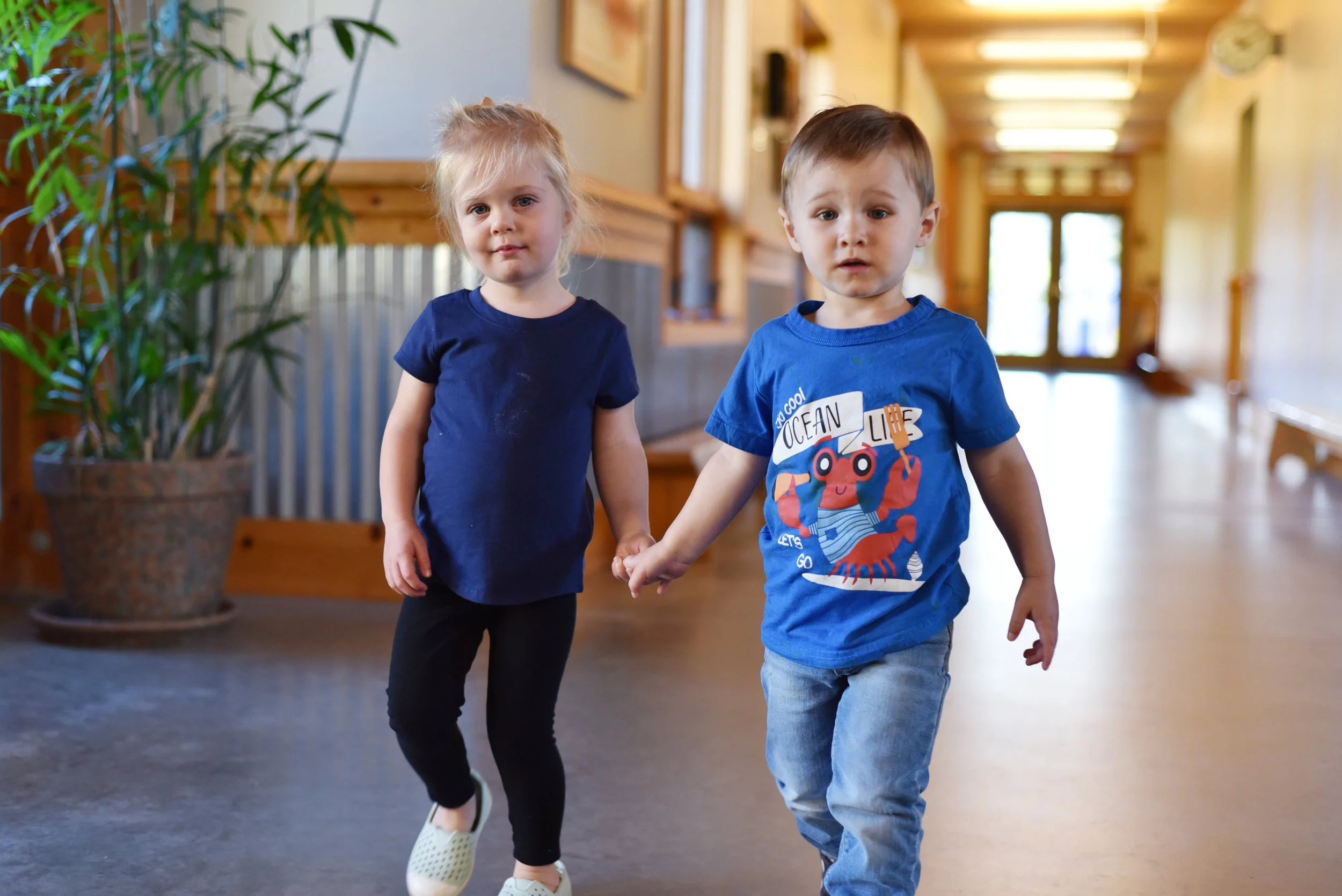
Celebrating 20 years on North Long Lake Road
“When Hildegarde Solzbacher, director of my AMI teacher training program, asked each of us to describe the Montessori school of our dreams, I said I imagined a place where children would be free to explore learning surrounded by adults who guided them with patience and love…”
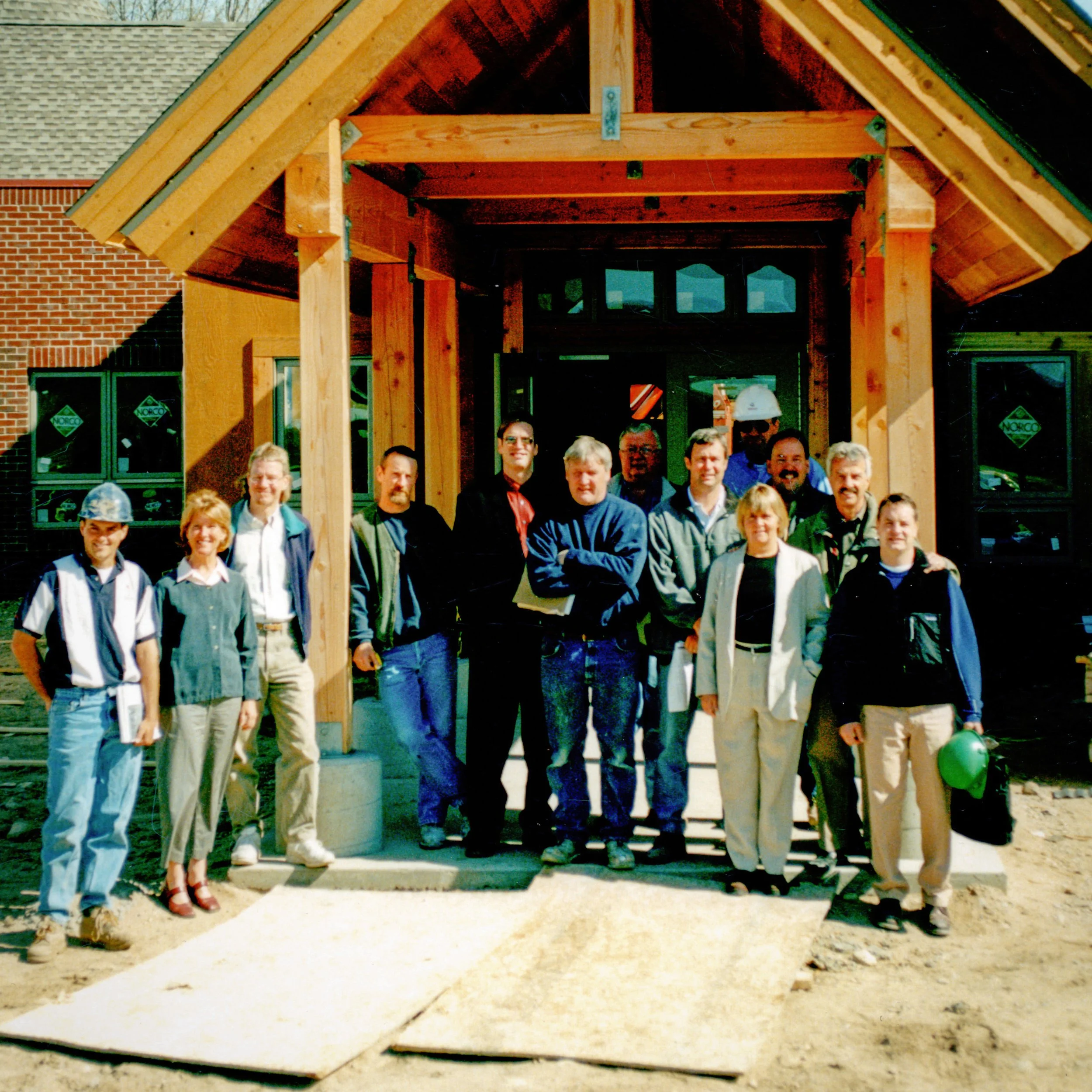
Making Dreams a Reality
Fall 2002: Imagine the excitement of not only a new school year, but a new school! The North Long Lake Campus became home for The Children’s House after an 18-year journey that began at the school’s inception in 1984 to a point when demand for the program inspired and justified the construction of our dream school. We eagerly embraced the opportunity to build a facility that supported our Montessori principles.
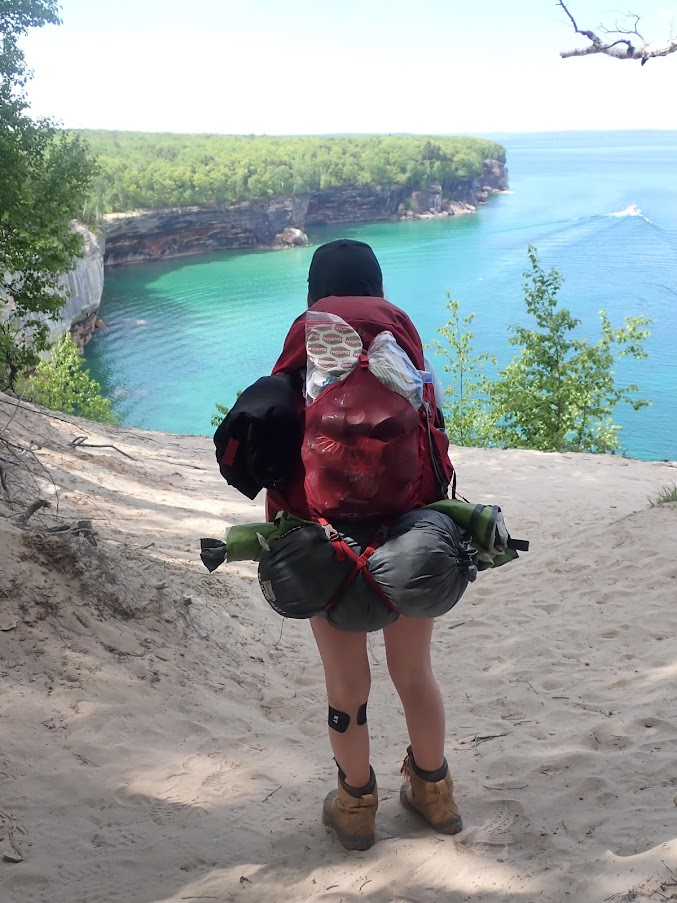
Traveling with Adolescents: It's just that important
The Children’s House Jr. High is “on the road” for nearly two months every school year. Included in our many adventures are two, week-long city trips, one, four-day backpacking trip, and two, three-day, “warm up trips,” one to Detroit, another to Beaver Island and/or various points north.
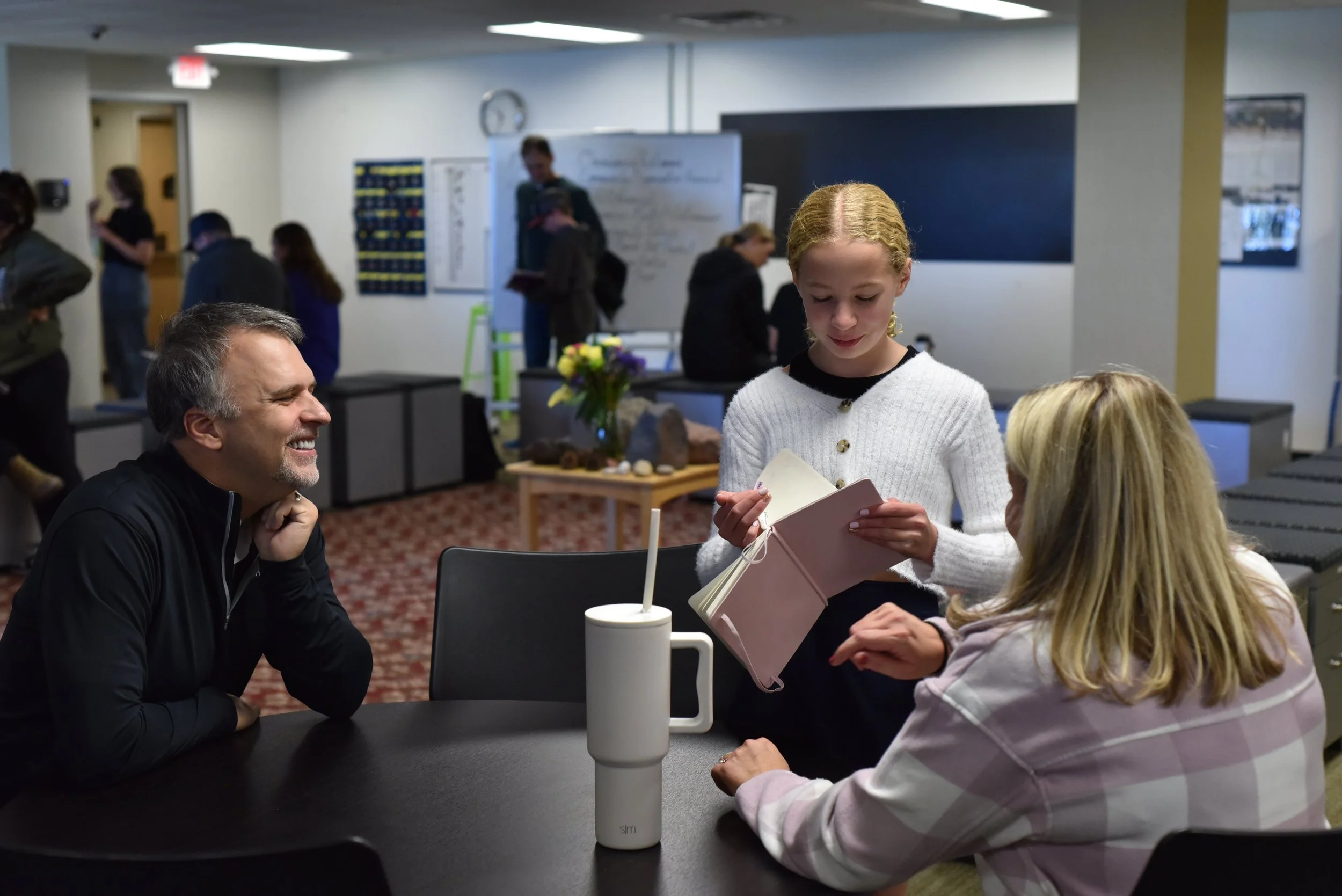
Student Led Conferencing
Parent teacher conferences, historically, have been a place for parents to listen to their child’s teacher highlight areas in which they excel and areas in which they are challenged.
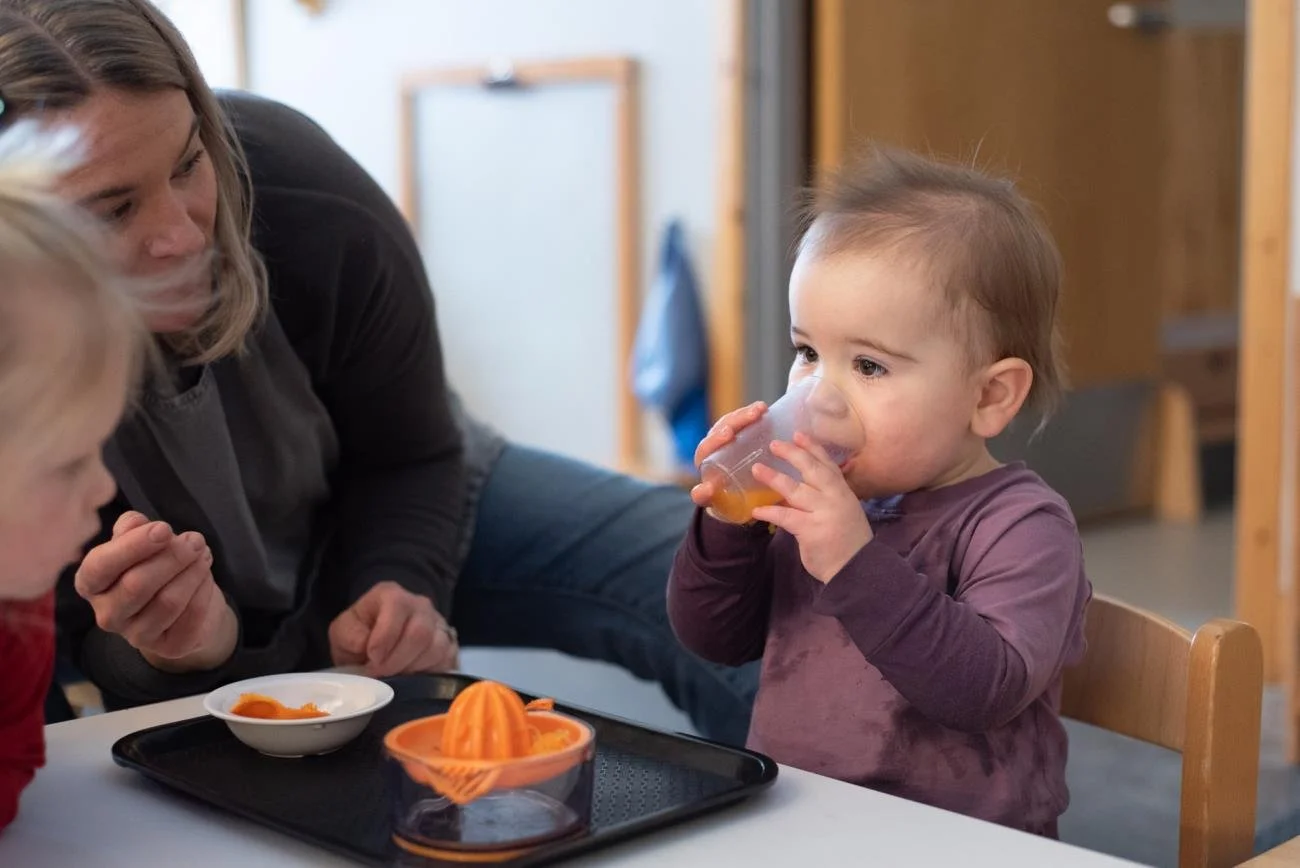
How to Make the Most of Parent-Teacher Conferences
Parent-teacher conferences are right around the corner. We genuinely care for your child and their development and look forward to our time together. We have lots to share about your child and, because no one knows your child better than you do, we look forward to hearing from you all about your child, discussing any questions you may have and supporting you at home when possible.
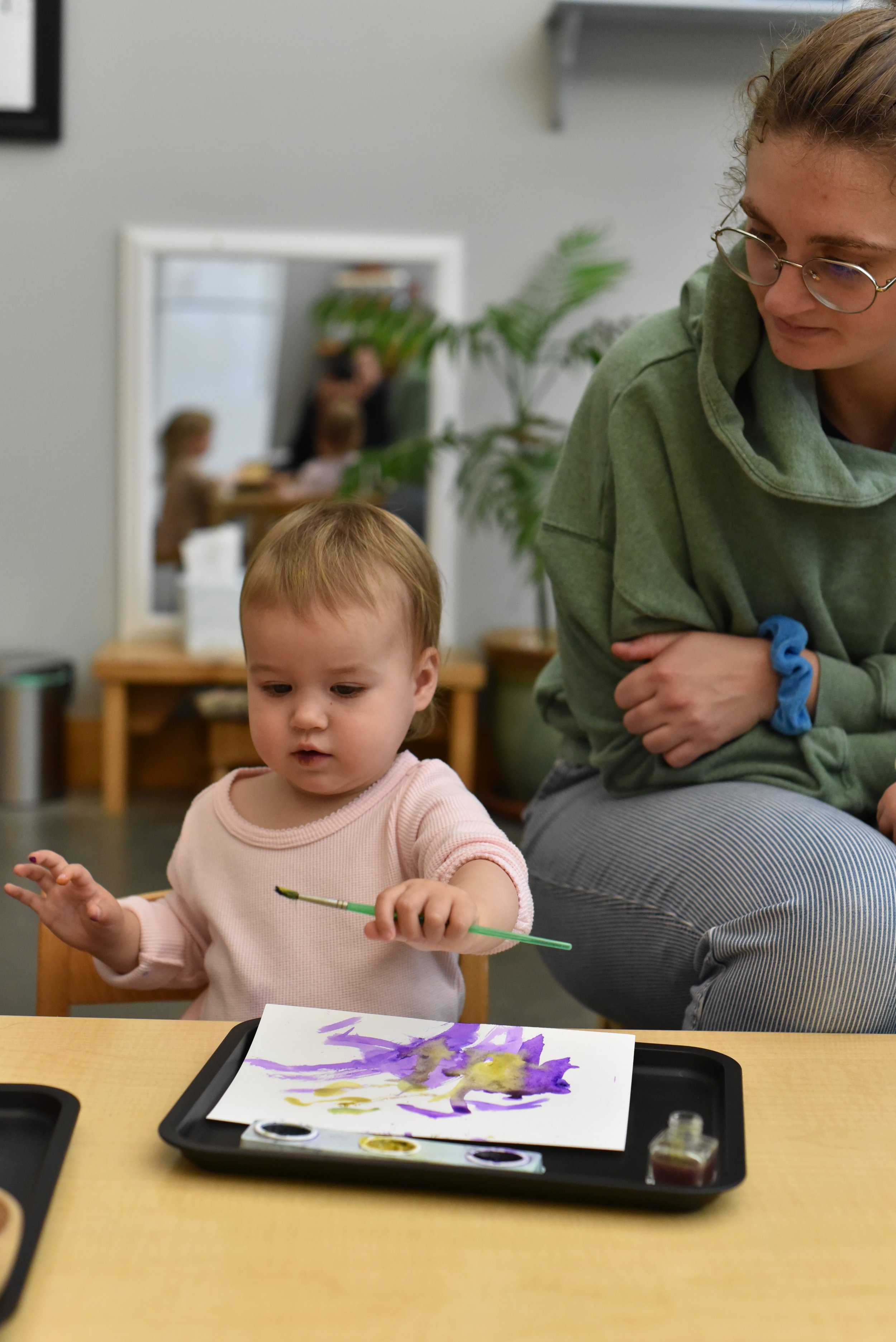
How to Observe in a Montessori Classroom
The Montessori environment integrates all aspects the child needs to be successful. Mastery over the environment begins when the child becomes aware of their actions in and on the environment and, for some, this may be their first experience outside of the home. The classroom supports all of what’s to come and is the physical, psychological, and social foundation for growth.
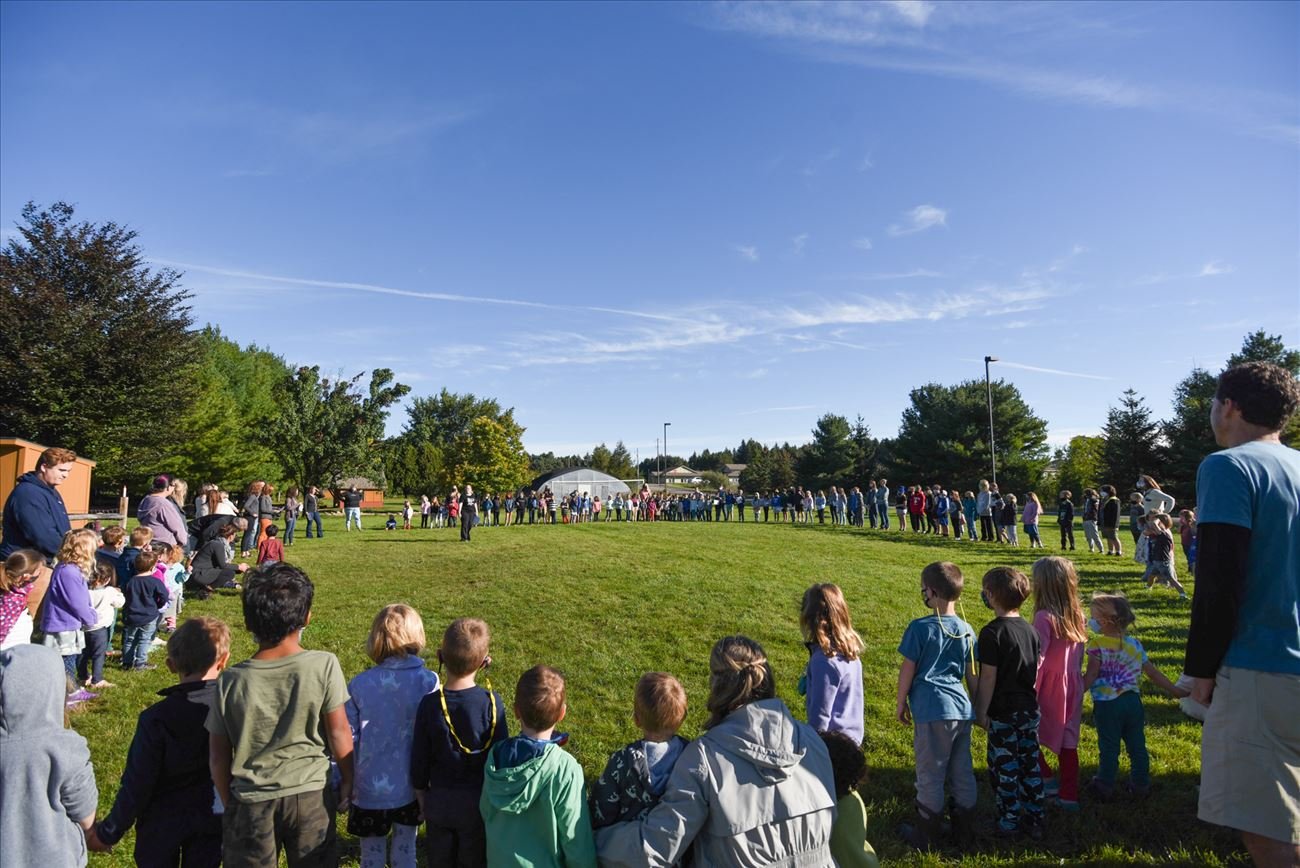
Dr. Montessori and Peace
Perhaps you do not know that Maria Montessori lived during both World Wars. Maybe you do not know that she was involved in the creation of The League of Nations, the precursor to The United Nations.