
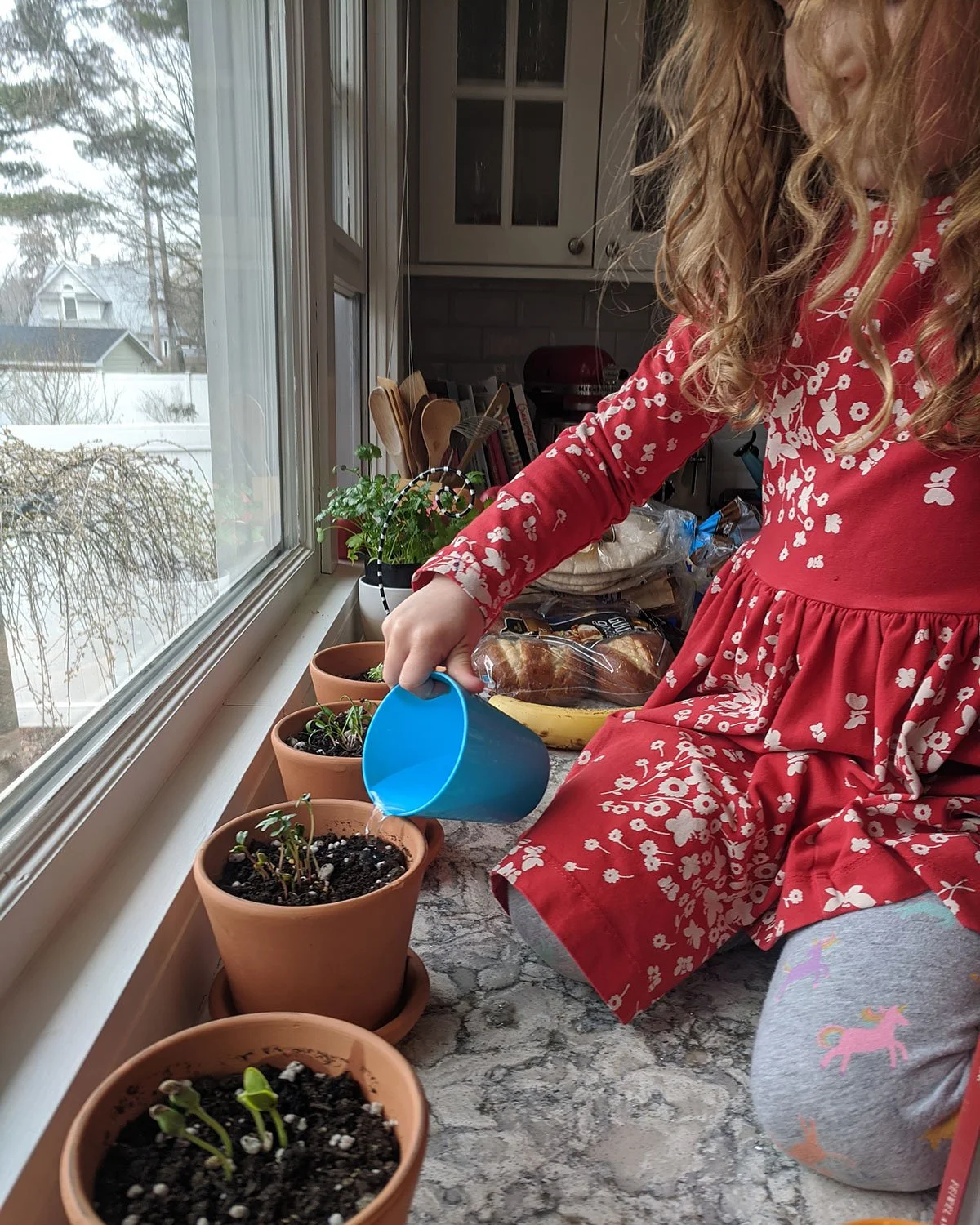
4 Ways to Integrate Montessori at Home
Encouraging order, independence, and self-motivation is fundamental to the Montessori approach. At school, carefully designed classrooms allow students to develop competence in caring for themselves and their surroundings. Here are four ways you can support your child’s Montessori education at home…
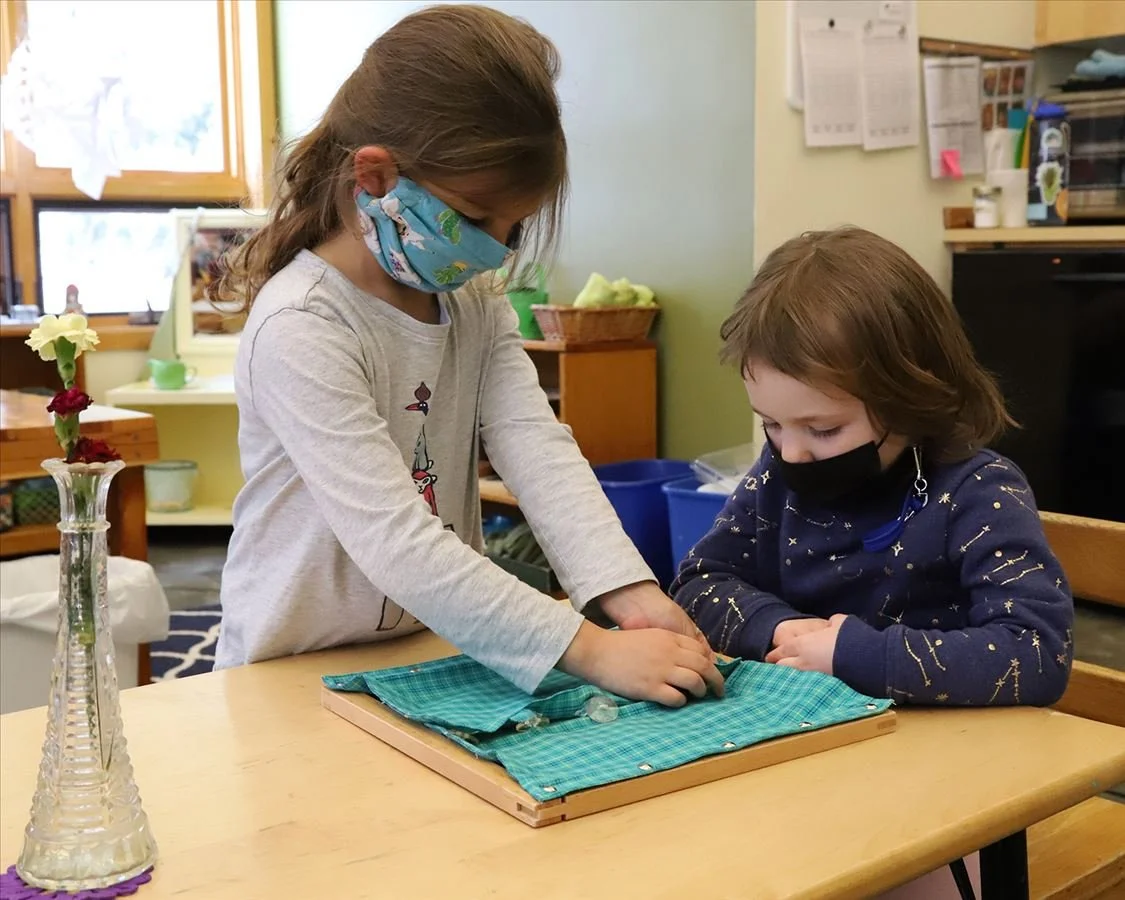
Montessori and the Multi-Aged Classroom
When our daughter joined The Children’s House at sixteen months, one of the biggest takeaways from our initial visit was how very capable she already was at this young age and how, up until that point, we may have been getting in the way of her natural development.
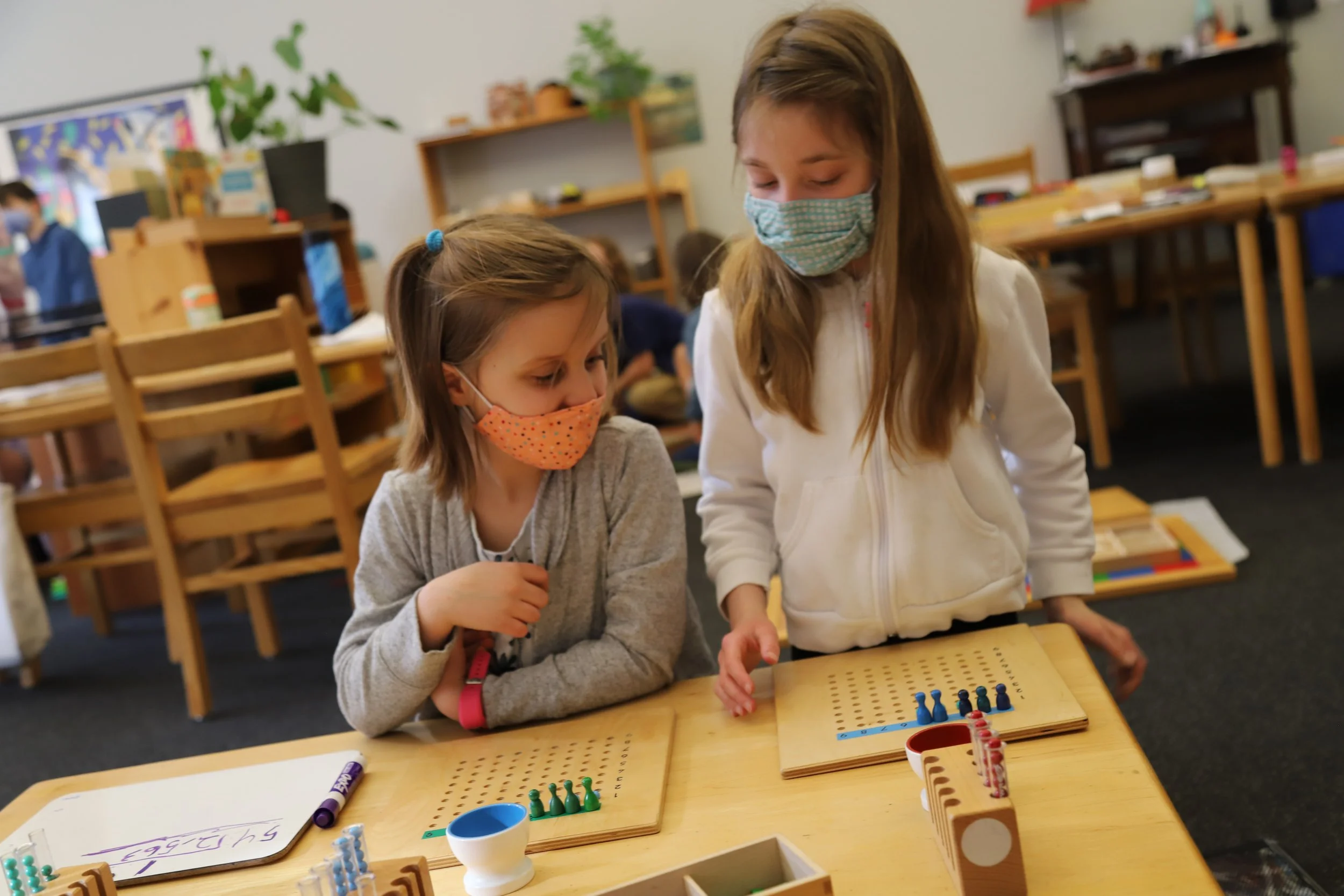
Freedom and Limits
Joyful learners abound in every classroom at The Children’s House. You can see students happily skipping across the room, some fiercely engaged in their work, while others banter over the nuisances of their collaboration. I believe a key force in this engagement is the foundational principle of the balance of freedom and limits.
A Child-Centered Education
Dr. Jal Mehta is a Harvard University professor, researcher, and education reform advocate. Like Dr. Maria Montessori, Dr. Mehta believes that schools exist to equitably serve all students, and to help each child be successful and productive citizens that realize their responsibility and agency to bring about a better world.

We Need More Than Kindness
Dr. Montessori fought for peace among people and nations. She was part of the League of Nations - the predecessor of the United Nations. It is in our training as Montessori educators to create a community that is just, inclusive, and welcoming to all.
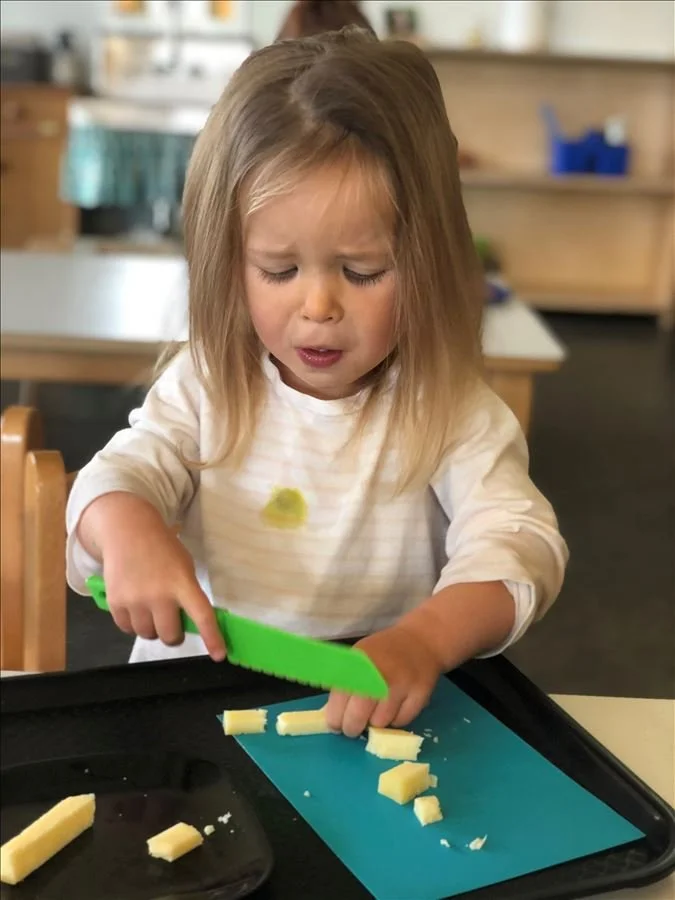
Learning to Embrace the Struggle
Children naturally want to do things for themselves. Regardless of their age, we have all seen this drive for independence emerge in our children and students. At times, it can feel like a great accomplishment; at other times, a challenge. For all of us who care for them, a real challenge exists in allowing children to encounter struggle.
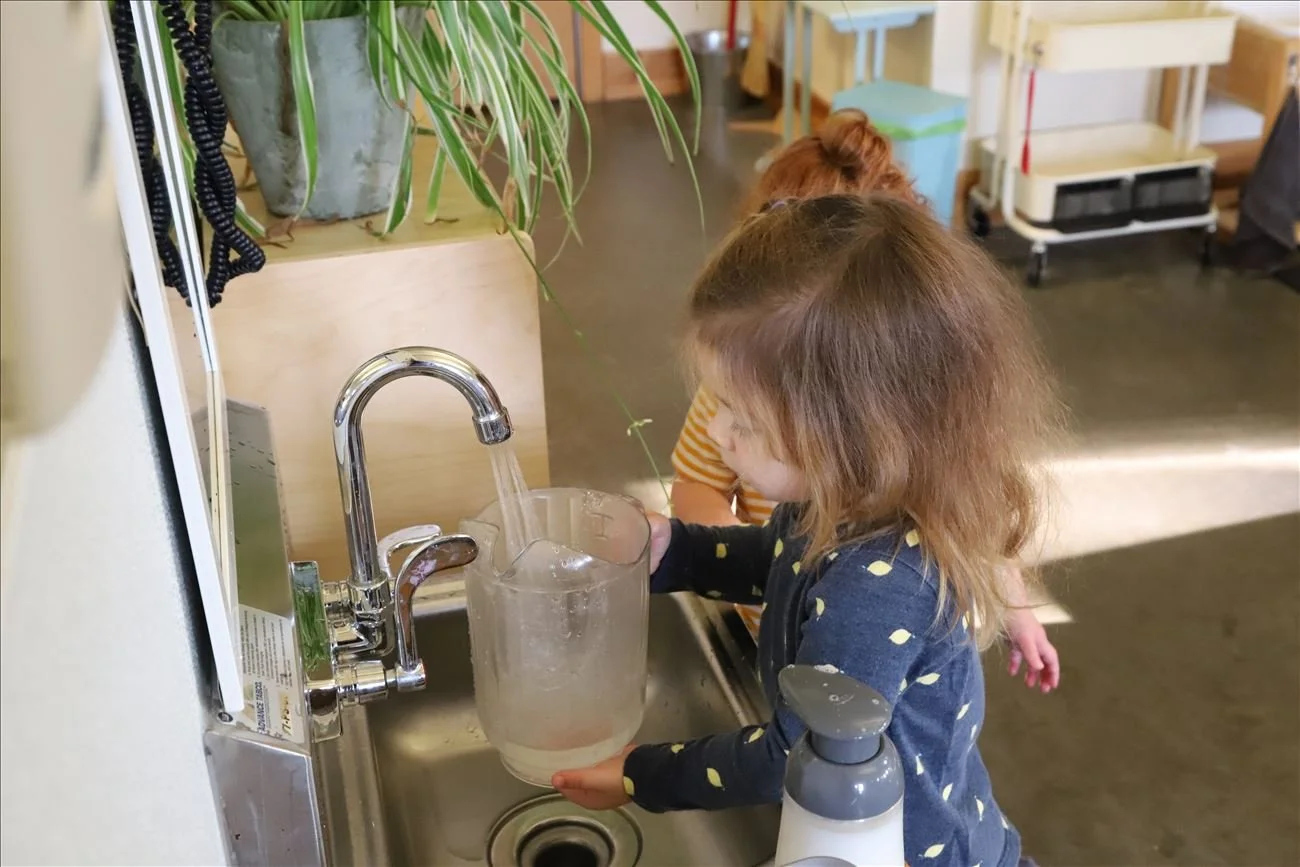
Fostering Independence
In a Montessori environment, the goal for children at any age is independence. Dr. Maria Montessori envisioned a world where we live in harmony and are mutually reliant on one another. Still, she recognized that this is only possible when individuals are able to satisfy their own needs first.
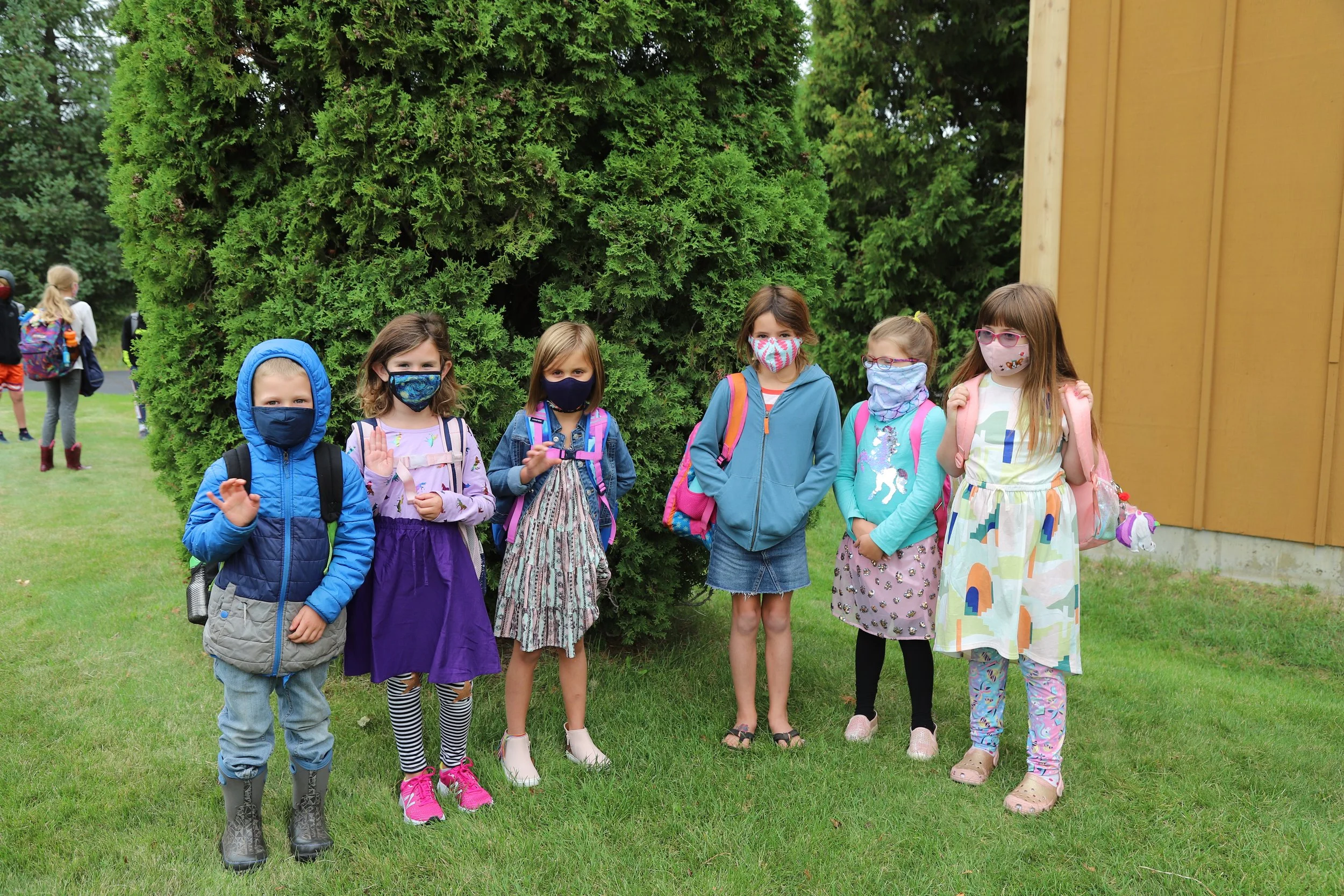
Montessori During COVID-19
Over the past several months, I have been participating in online forums with other Montessori school leaders where we discuss and collaborate on opening safely during COVID-19 and how to successfully return to in-person learning.
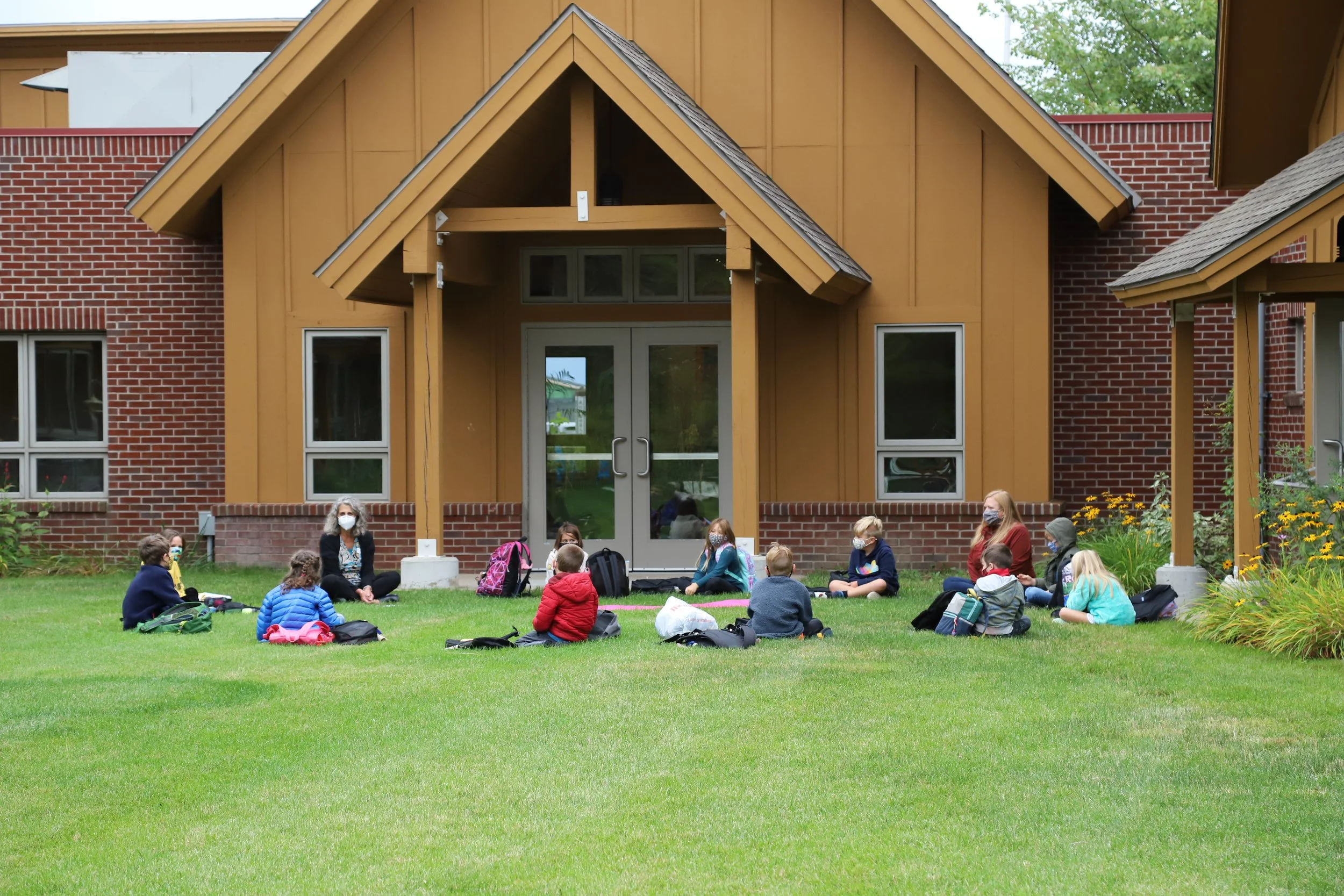
Anti-Bias Anti-Racism Education is Montessori
Maria Montessori taught us to believe in the potential and value of every child. As Montessorians, it is our intention to provide an environment where children and adults alike are seen and respected, and to seek to understand others for their differences and similarities. We believe a future that is genuinely equitable for all is in the hands of the children.

Farewell
The Dance of the Cosmos celebration has marked the end of the school year every year since the school’s inception in 1984. Obviously, I was looking forward to that day to say farewell to all of you and to begin my retirement, but when COVID entered the picture, I began to shift gears.
Montessori on Equity
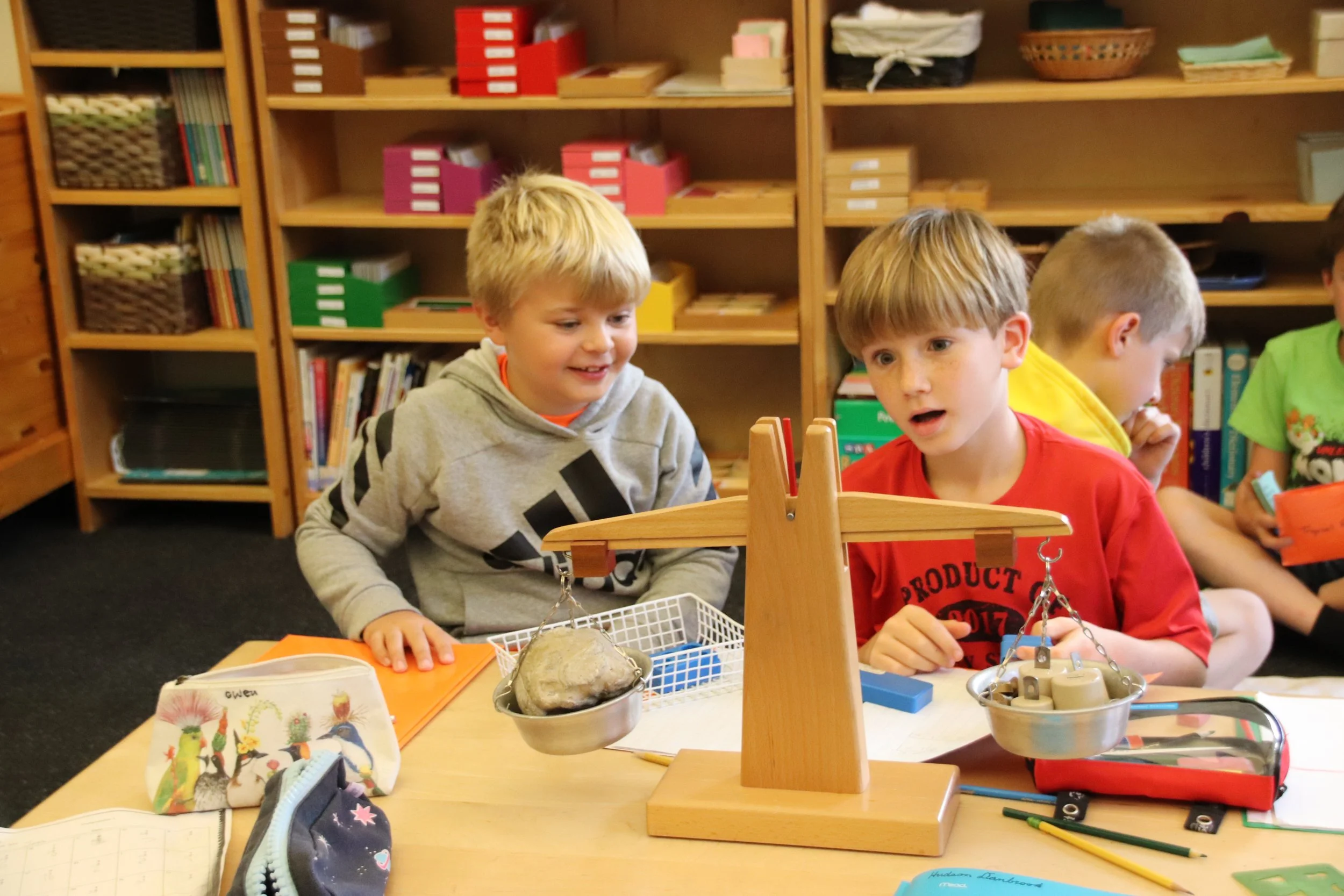
One of the fundamental and most important aspects of the work of Dr. Montessori was her tireless work toward peace. She believed that the hope for a more peaceful and equitable world lies in the child.
A Space to Grow Food for the Community
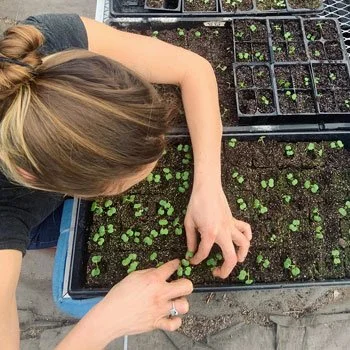
Right now we have over 1,500 plants started in the greenhouse that will grow to provide produce to local food pantries.
Up to the Challenge
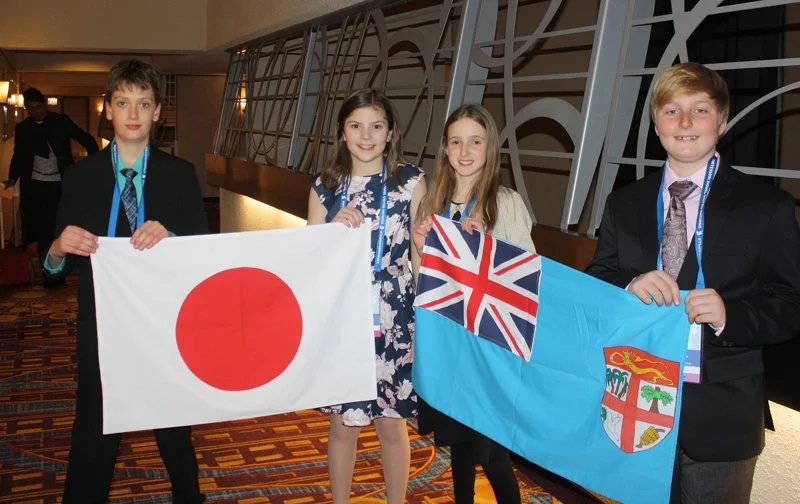
The beauty of the three-year cycle is never more apparent than when the 6th year children attend the Montessori Model United Nations conference in New York. It is not just sixth months of preparation, but years of preparation, starting well before they enter the walls of our upper elementary classroom.
Lettuce Explain
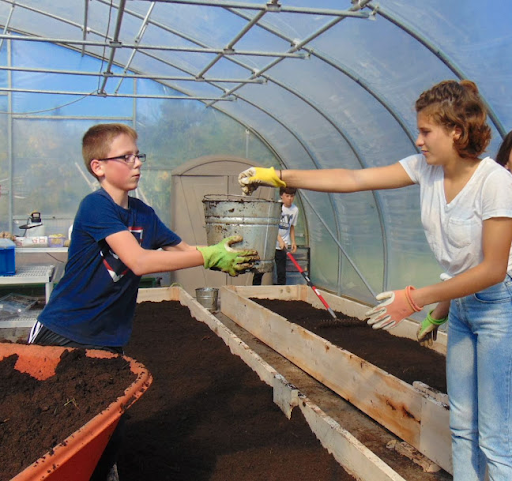
Maybe you’ve seen the glow of the greenhouse in the morning, maybe you’ve seen students running around with lettuce at carline, or maybe you are already a valued TCH Organics customer- at any rate, you may wonder, what is all this lettuce growing about? Is it botany? Soil science? Carbon footprint analysis? Business education? Yes! And so much more!
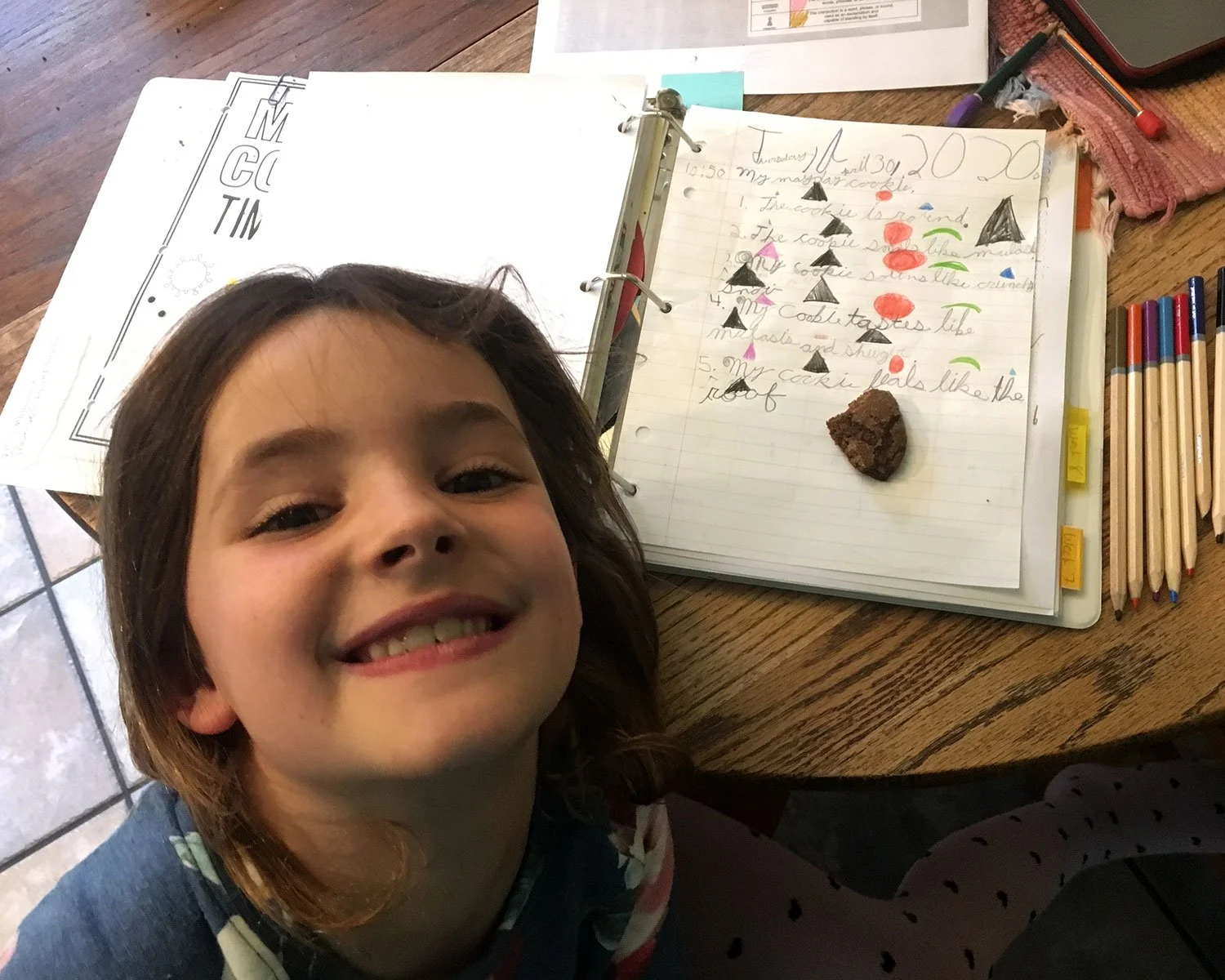
On the Subject of Homework
This past week I received an email containing an article about banning homework nationwide from a popular teacher website. The article asked us to weigh in as lawmakers contemplate this controversial topic.
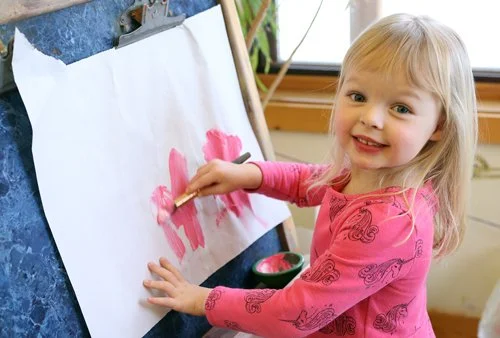
Creativity in Montessori
One of the most challenging parts of being a “Montessorian” is explaining the method to other people. We’ve all tried to come up with the perfect elevator speech and the most compelling case to sway a skeptic. However, it seems that most of the push-back is founded on misunderstandings.
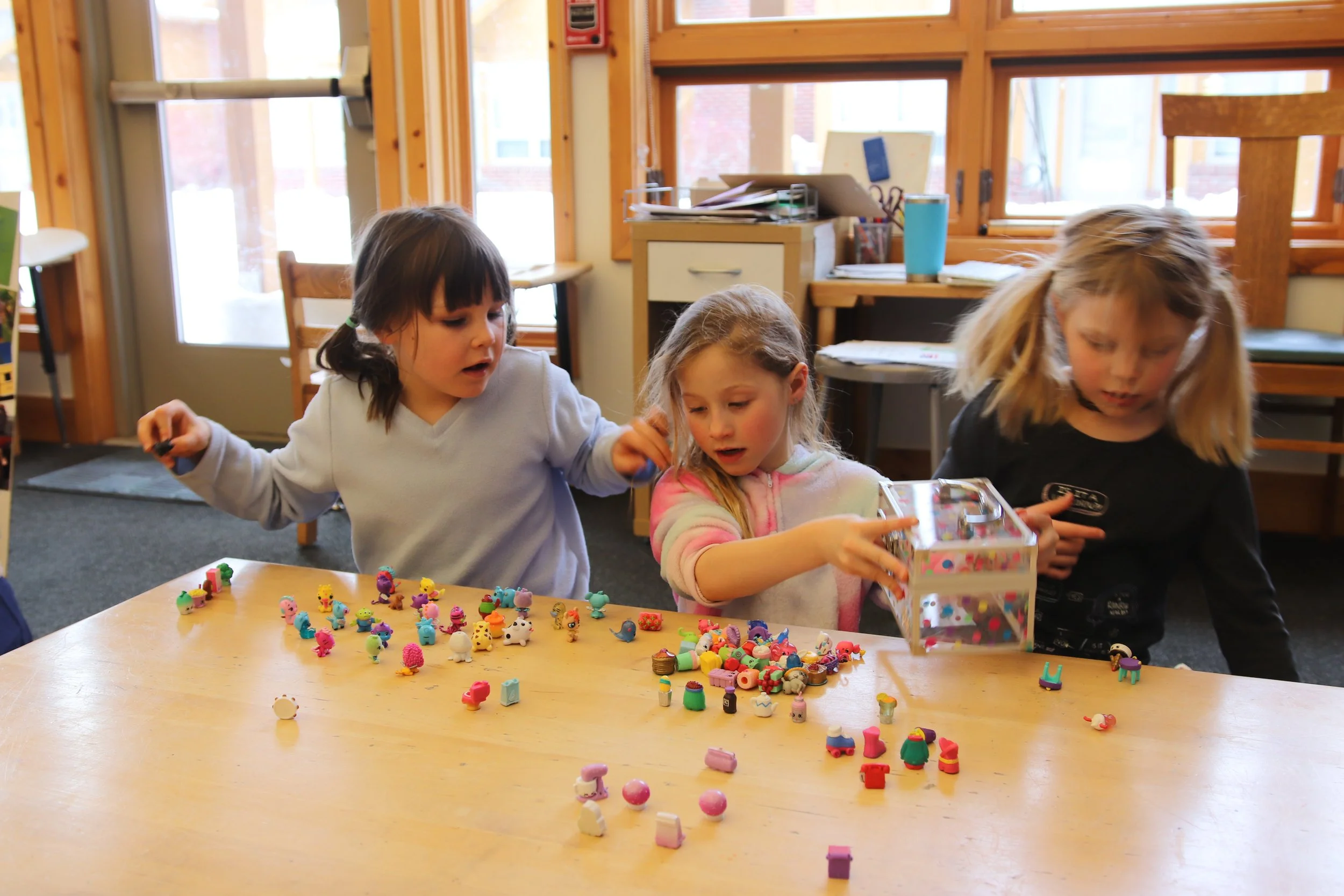
Social Emotional Learning
In November 2019, Megan Andrews, Karin Church, and I attended a professional development workshop with Marc Brackett, founder and director of the Yale Center for Emotional Intelligence. The day reminded us of the importance of emotional intelligence and provided us with new ways to help our students learn about their emotions. We know that emotions impact learning and were reminded that there are no bad emotions and that emotions provide information.
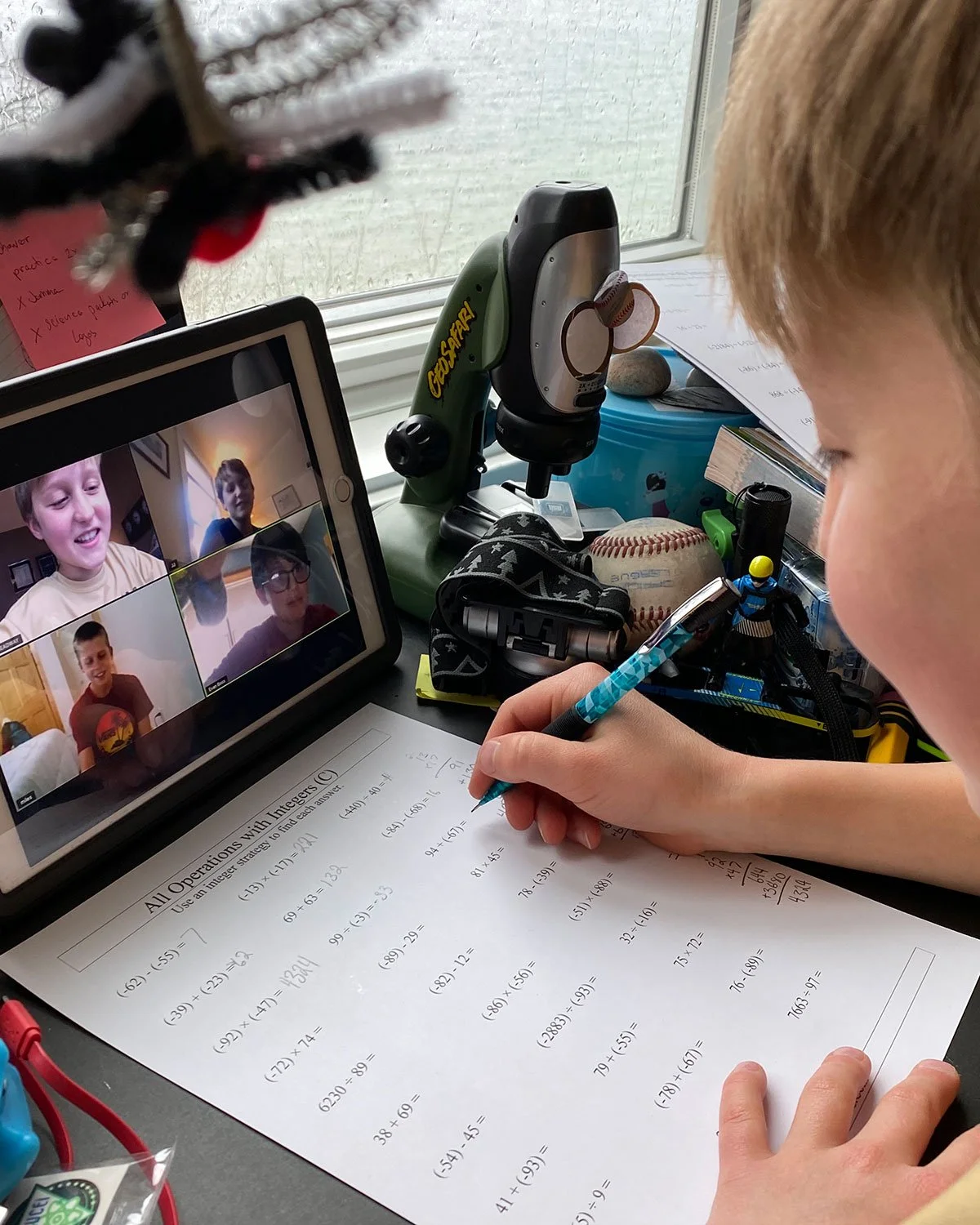
Digital Technology is Here to Stay
Over the years, we have hosted several discussions on the topic of child development and digital technology. I continue to be interested in the topic and have recently read books by Nir Eyal and Anya Kamenetz.
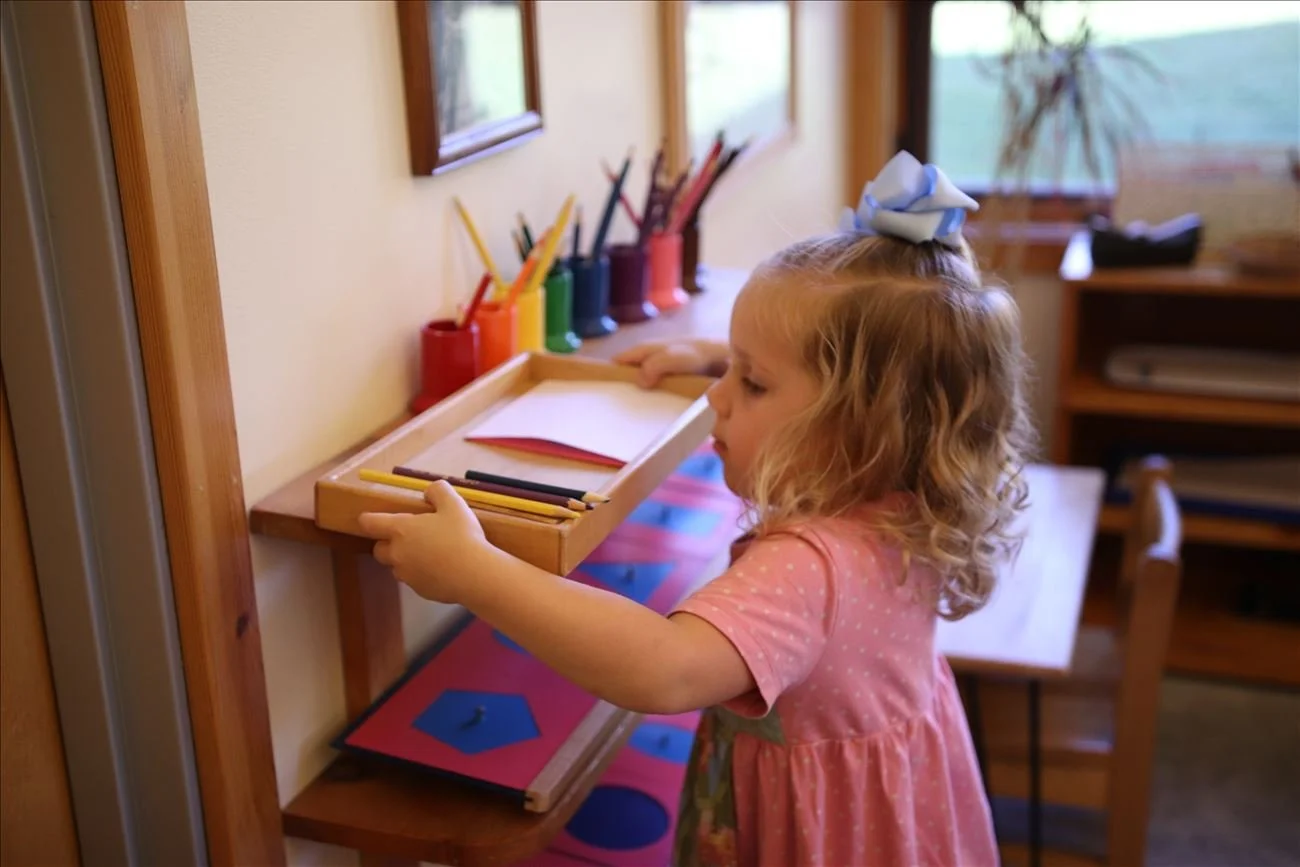
The Work Cycle
The Montessori work cycle happens in every prepared environment at The Children’s House. Depending on the age group, the work cycle can last from two to three hours in the morning and an additional period of time in the afternoon.
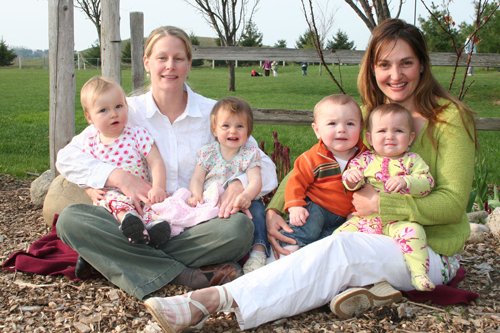
Four Calling Birds
That year, I was given the chance to do something I had longed for many times. In September of 2007, I took charge of the Nido program at The Children’s House, and my dream of guiding infants came true. The Nido program itself was still in its infancy and just four babies, Alexander, Dillyn, Elise, and Lola, were put under my care for the school year.