“The child should love everything that he learns, for his mental and emotional growths are linked.” - Maria Montessori
Social and Emotional Learning in a Montessori Classroom
True social and emotional learning happens every day in our classrooms. Our students learn how to be a part of an authentic, working community; resolve conflict peacefully; express and relate to their emotions; discover their strengths; lead and collaborate; and advocate for themselves and others.
Here are some examples at every level. Observing in the classroom and talking with a trained Montessori guide is the best way to see it for yourself.
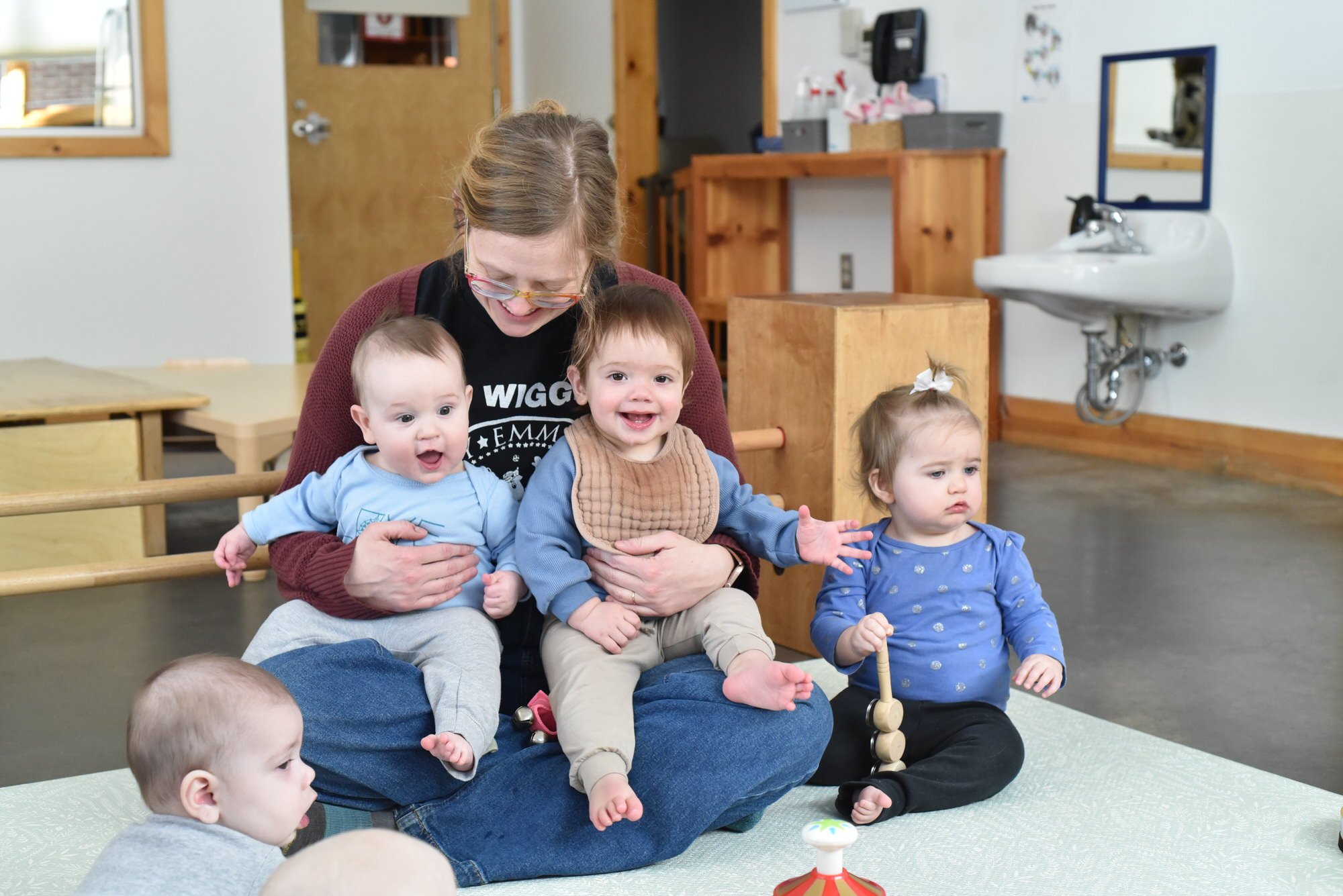
From the Beginning
In our Nido environment, children are free to safely explore their world with the guidance of trained, loving adults. Unrestricted movement and age-appropriate activities encourage naturally unfolding development at an individual pace determined by each child's nature and inner guide. Children sometimes struggle to overcome obstacles and may become frustrated or cry. The adults carefully observe to support children and help name emotions that we see. Not every cry requires intervention; sometimes acknowledging the communication is enough for the child to continue their work.

Pathway To Independence
Under the guidance of nurturing adults, children in our Young Children’s Community learn how to gain independence by doing. Here, children participate in activities that promote independence, concentration, and a sense of accomplishment. They explore the world together and begin understanding the ins and outs of social interactions. Cooperative activities such as music, vocabulary exploration, food preparation, and story-telling help children understand how they contribute to their community.
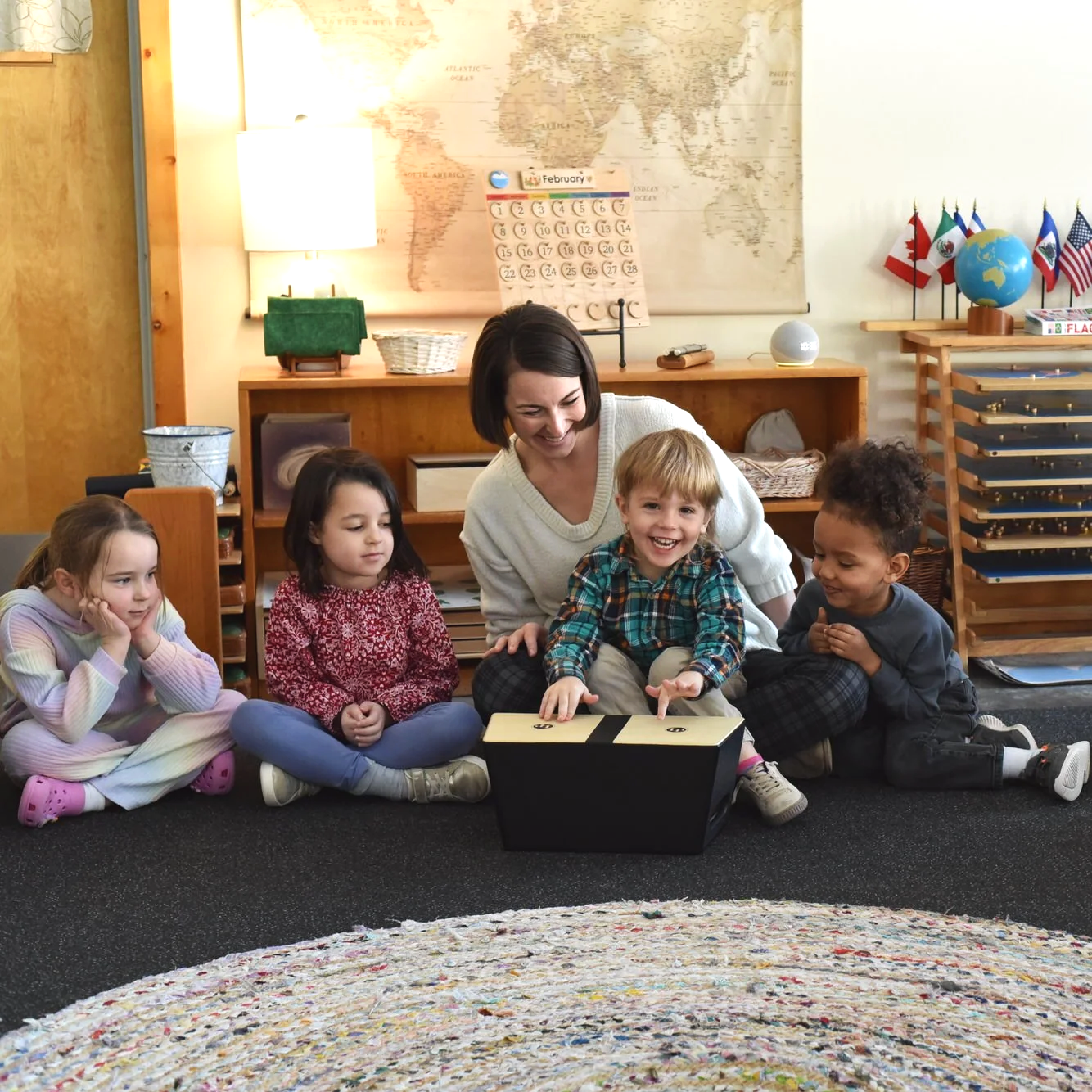
Social Development
Primary-aged children are naturally curious about the people around them. The children spend three years within their social group, each becoming a valued and meaningful part of their classroom community. Each child’s contribution to the community is seen as valuable and essential. Because of the freedom allowed in the classroom, they learn from each other in authentic interactions between multi-aged children about social graces and nuances in a safe and respectful setting.

Senses Of Justice And Community
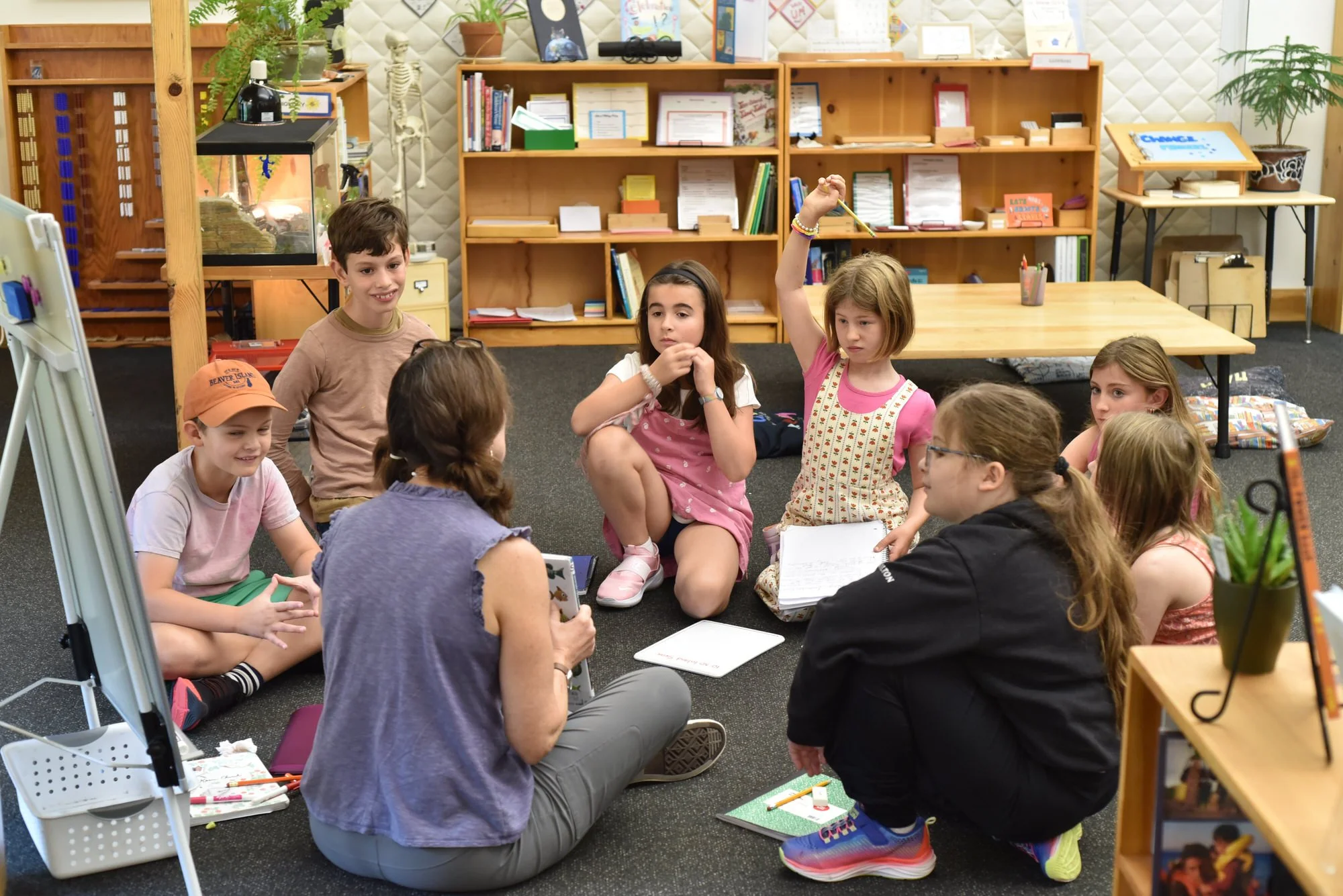
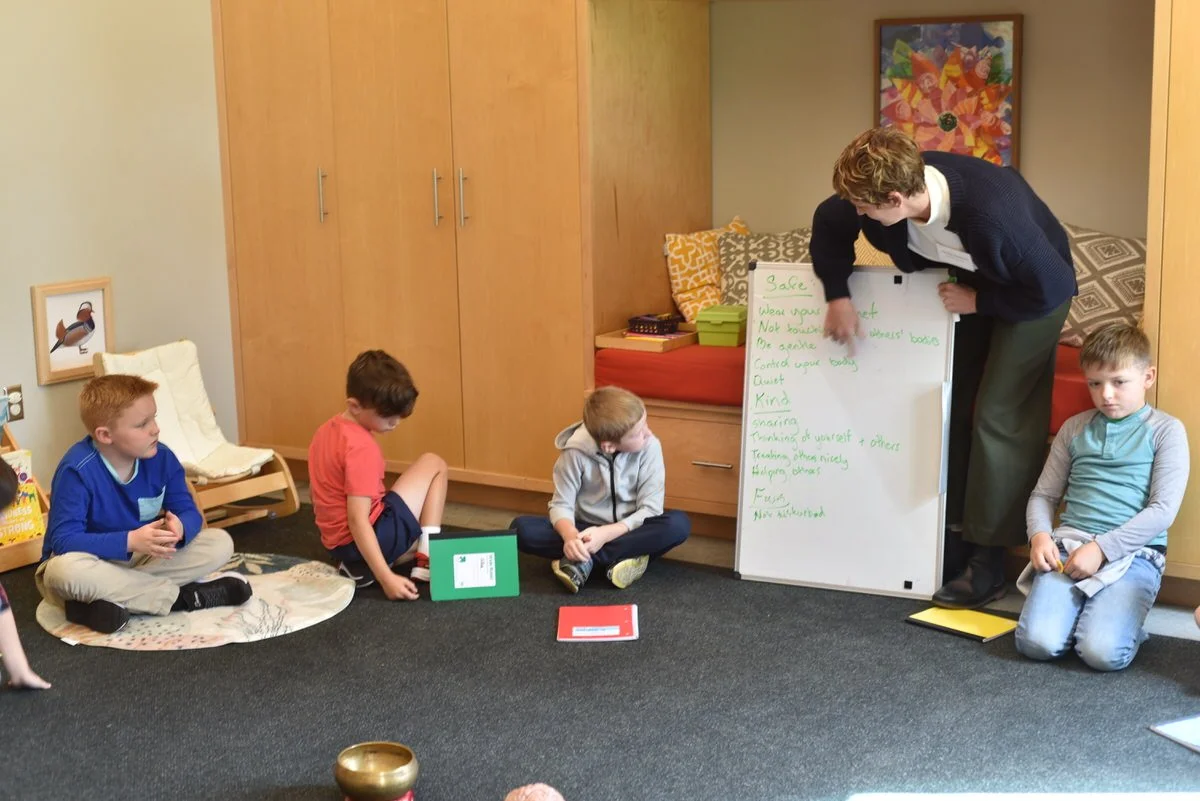
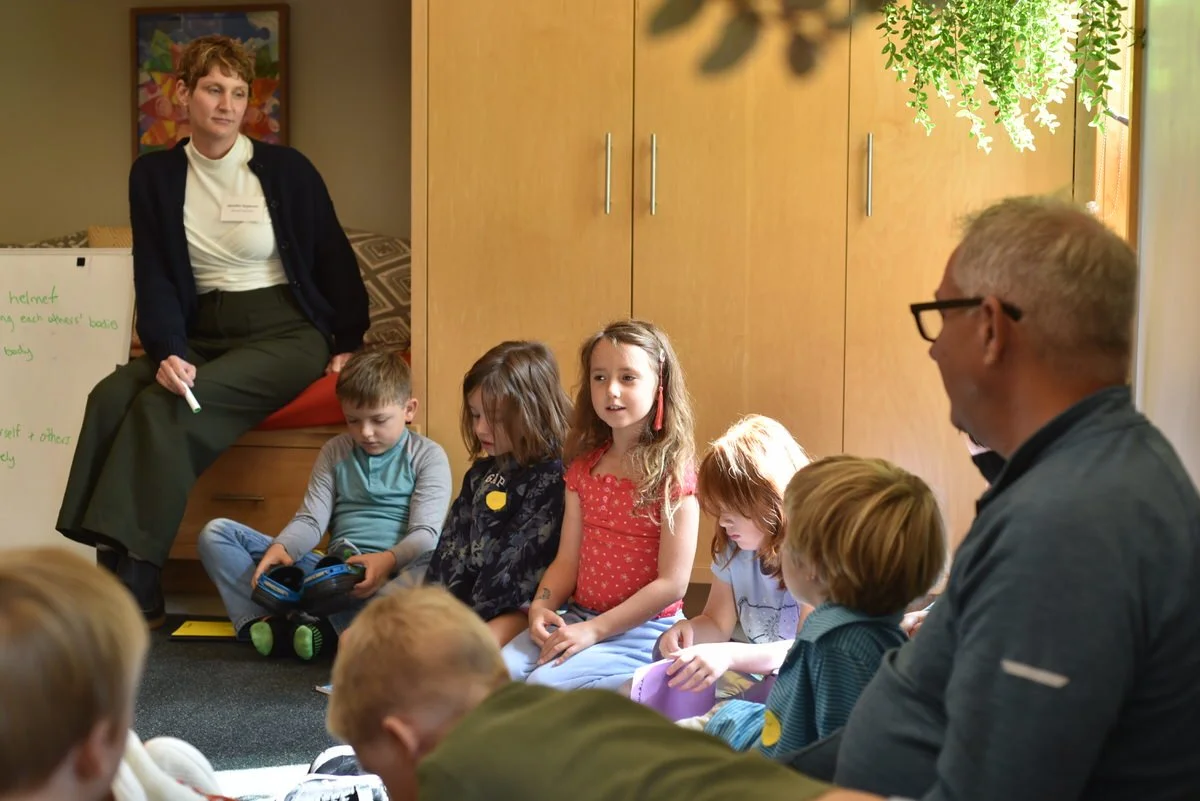
Elementary students meet regularly as a group to discuss classroom ethics, solve problems collectively, and present research to one another. When the community comes together, they can negotiate solutions in an environment where each individual’s feelings and perspectives are respected. With the classroom guide acting as a facilitator, students create a smoothly functioning classroom community, while developing genuine skills in negotiation, diplomacy, and compromise through authentic discussions about real situations; skills that stay with them as they grow and mature into adolescents and beyond.
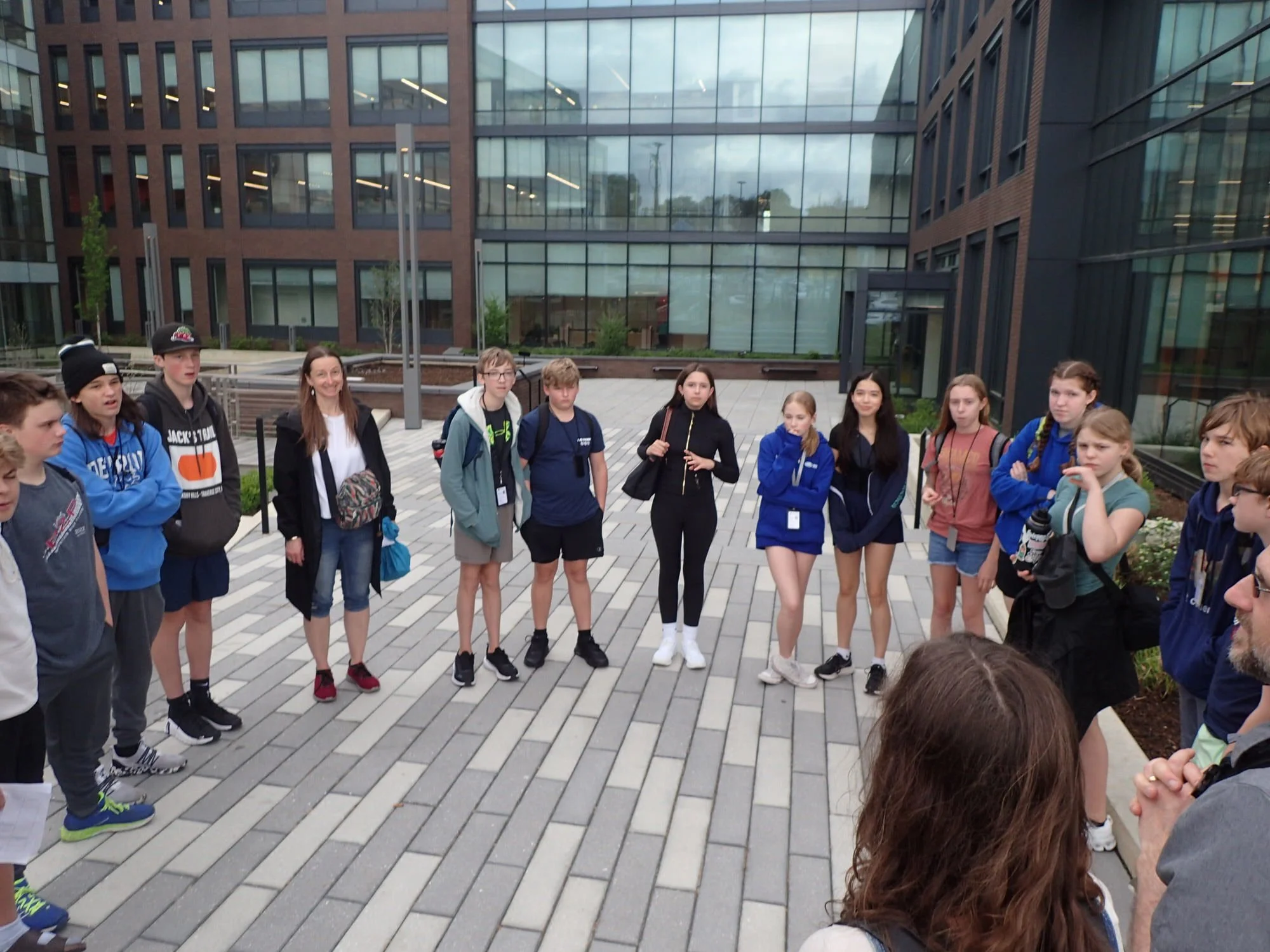
More than being included, more like belonging
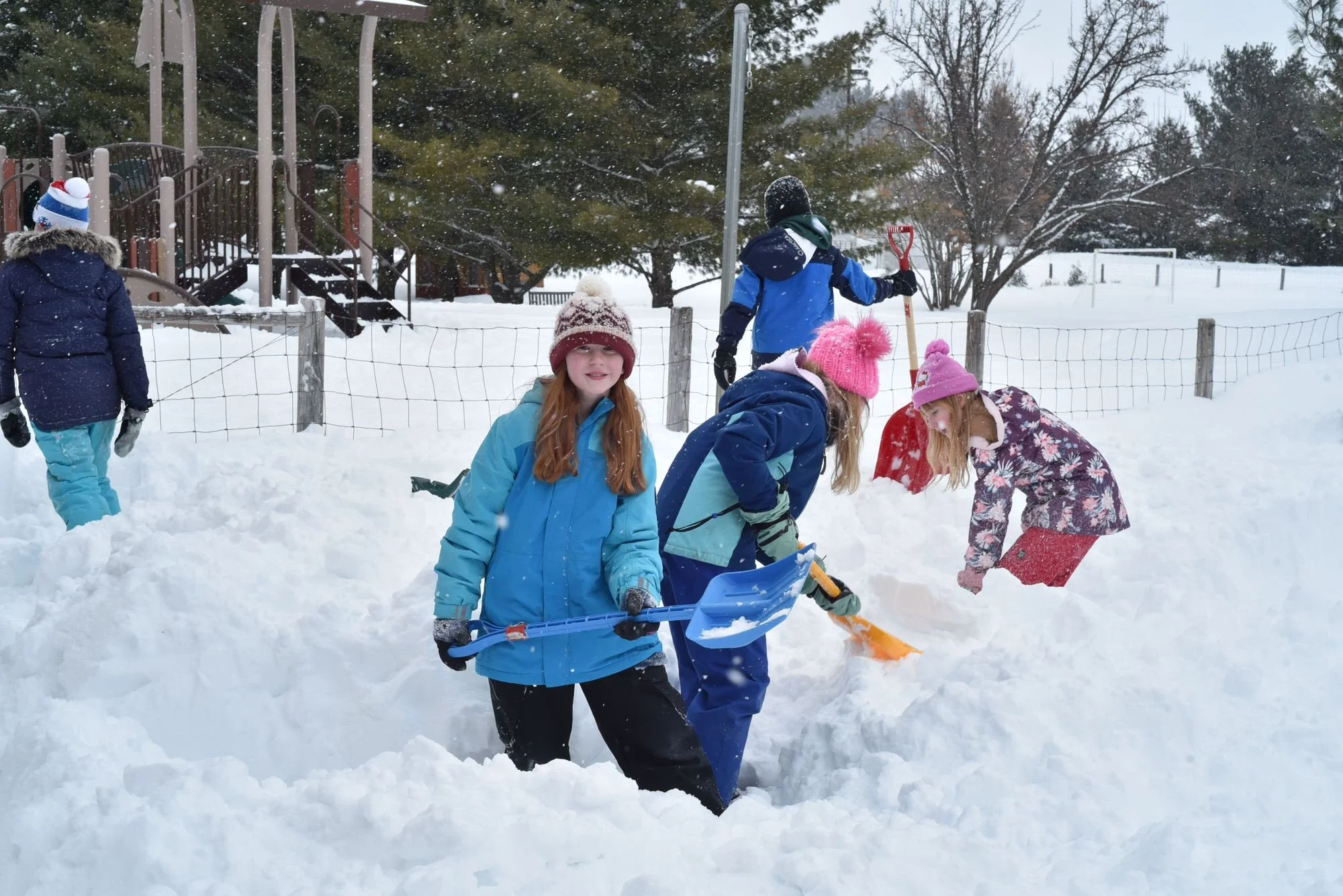
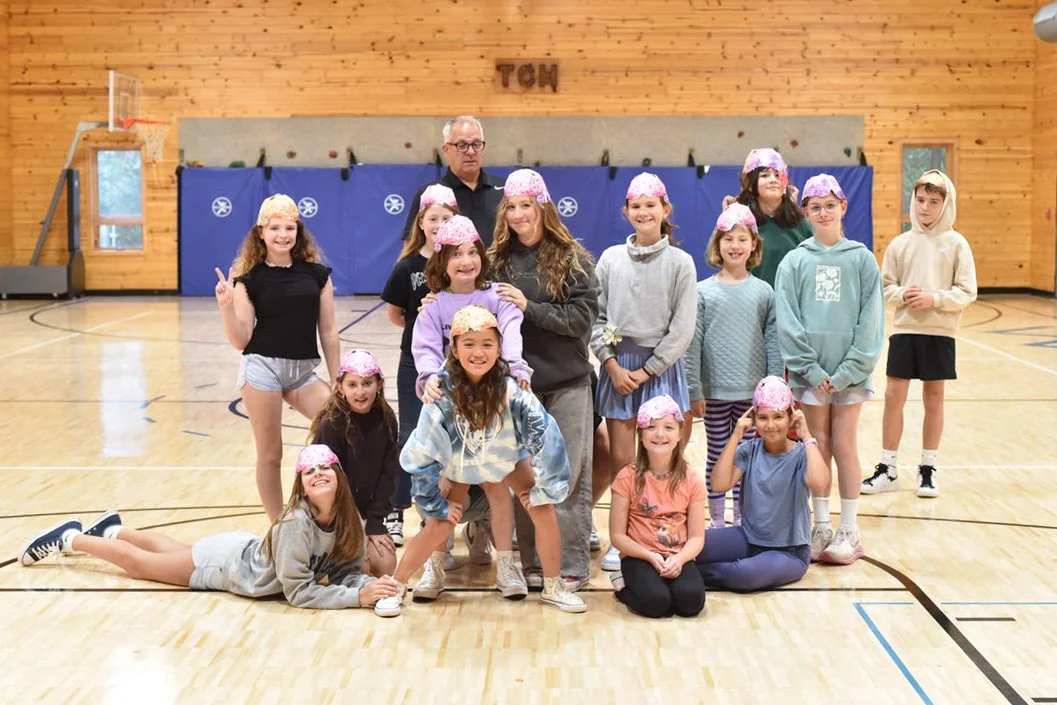
Free from rankings and grades, our Compass Junior High students have real growth opportunities and learn at their own pace how to be a part of an authentic, working community; resolve conflict peacefully; express and relate to their emotions; discover their strengths; lead and collaborate; advocate for themselves and others; and conduct themselves in professional and social situations. When students graduate from our school, they have practiced skills and developed traits that support their personal growth and maturity as they transition to adulthood.
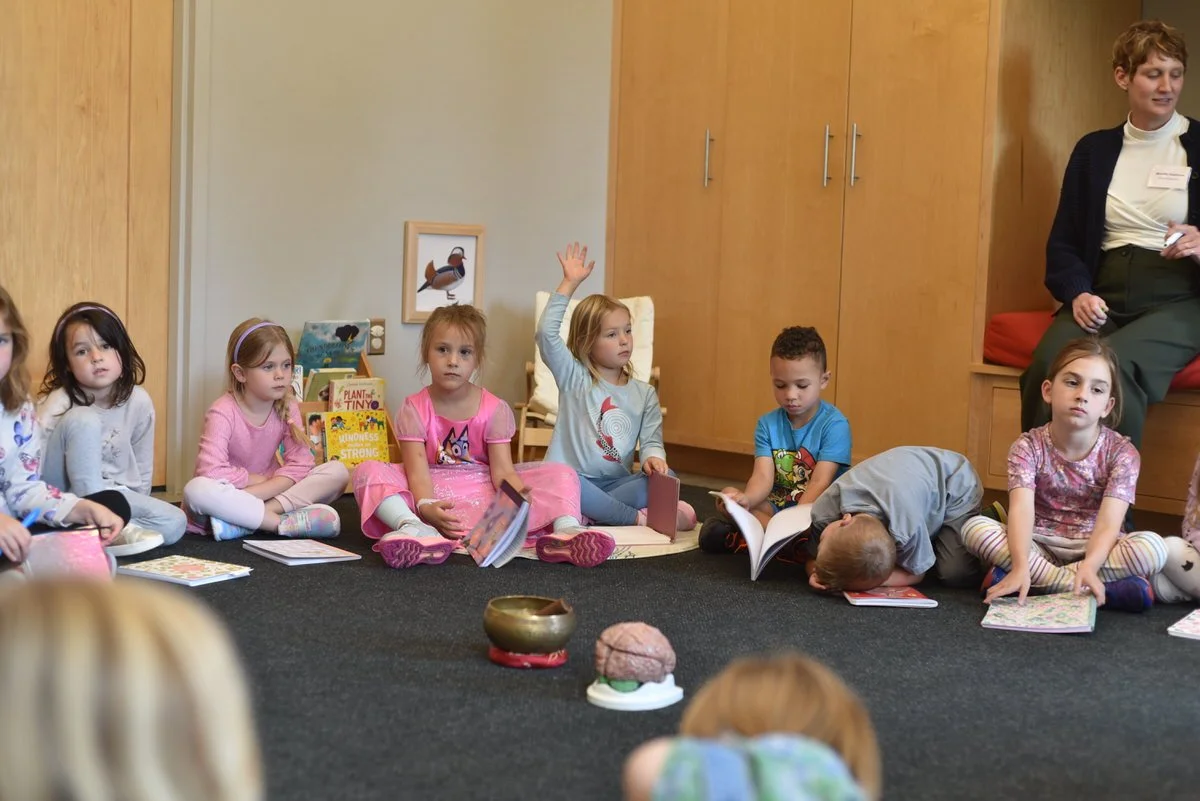
MindUP: A Year of Mindful Learning
During the 2025-26 school year, we introduced MindUP™, an evidence-based social and emotional learning (SEL) program that helps students better engage in learning, self-regulate their behavior, and strengthen their attention skills and well-being. MindUP teaches children strategies grounded in neuroscience, mindful awareness training, social and emotional learning, and positive psychology, supporting success in the classroom and in life.
Student mental health is one of the most pressing issues facing children today. Preventative programs like MindUP help address rising rates of anxiety, depression, and other challenges by building emotional awareness and resilience early, giving students tools they'll carry well beyond the classroom.
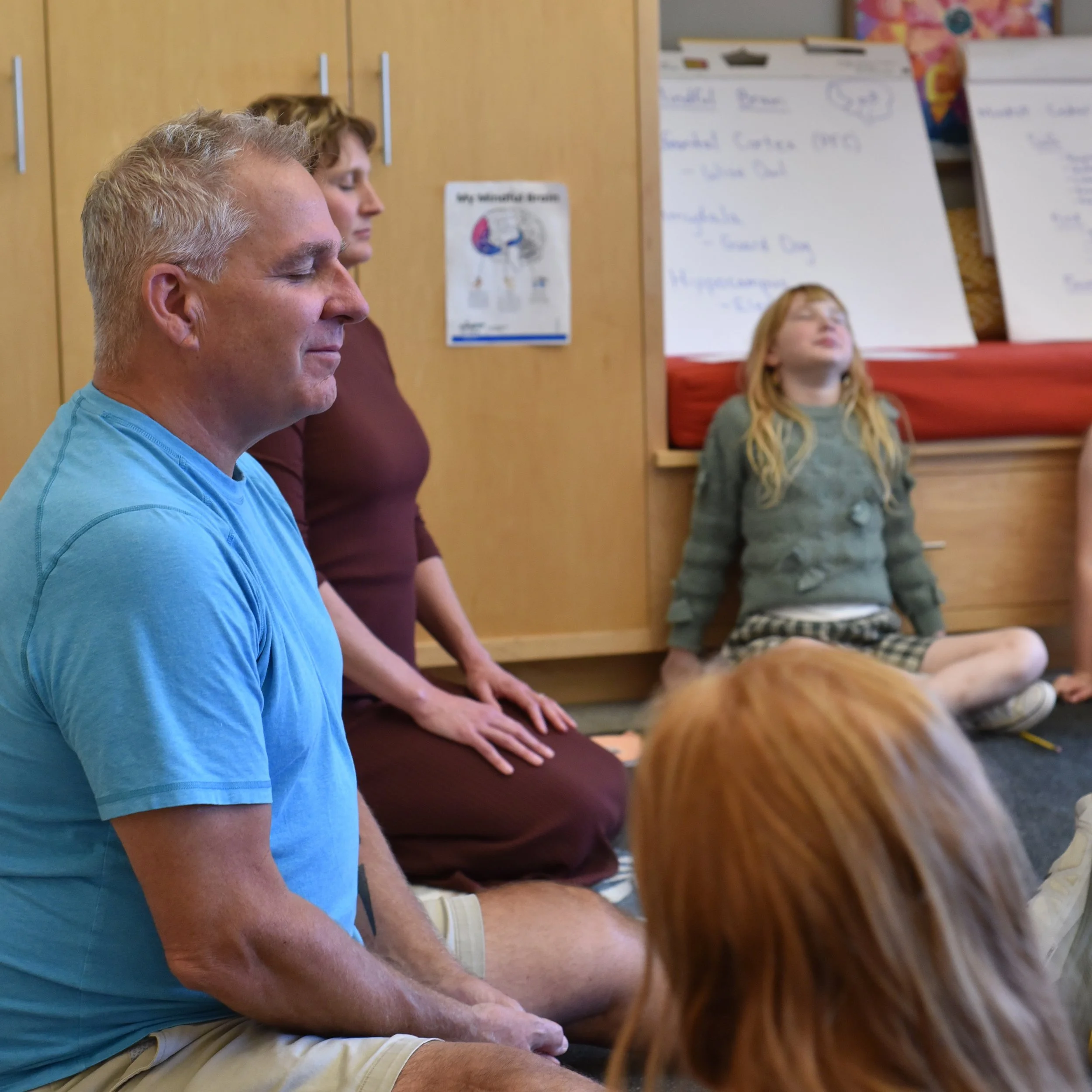
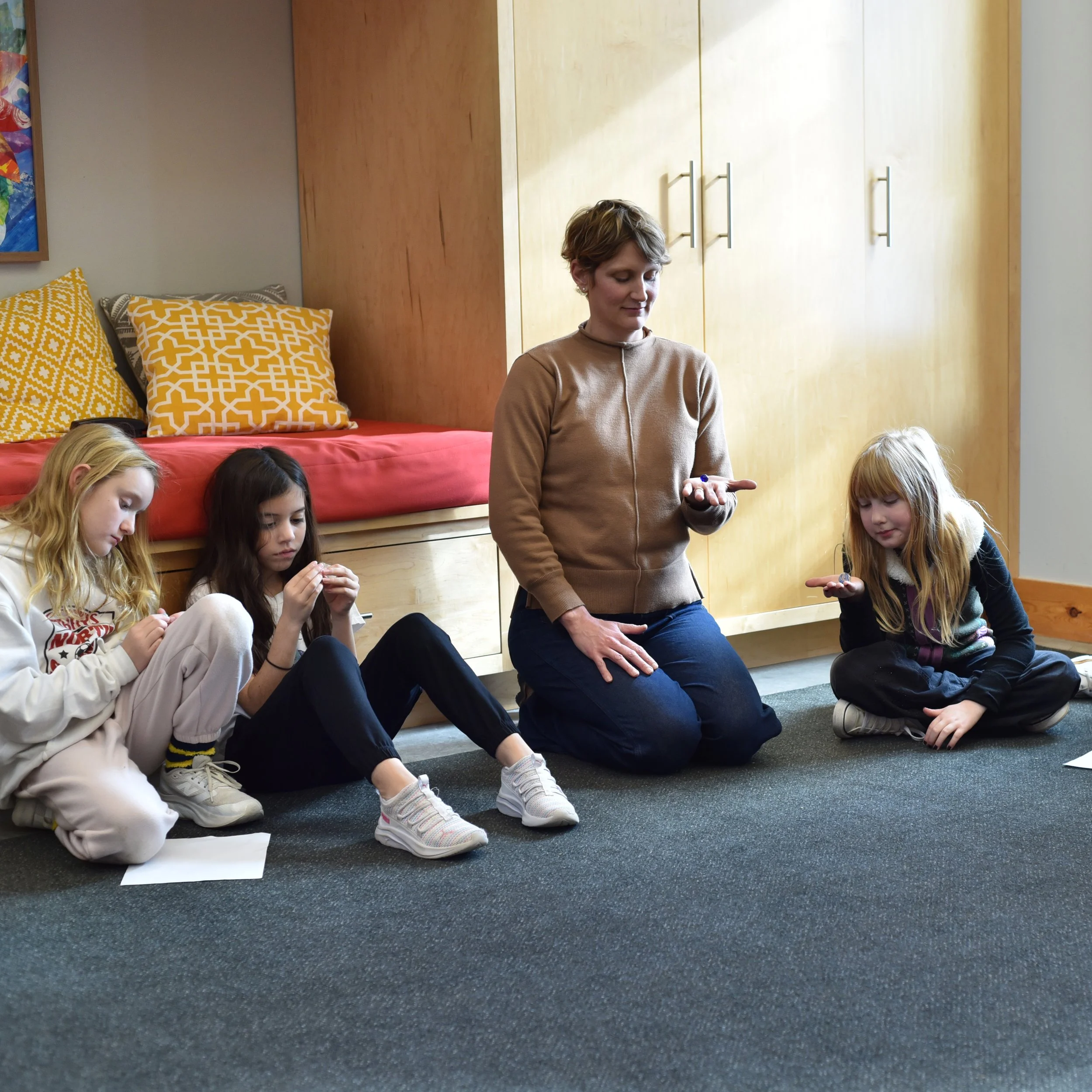
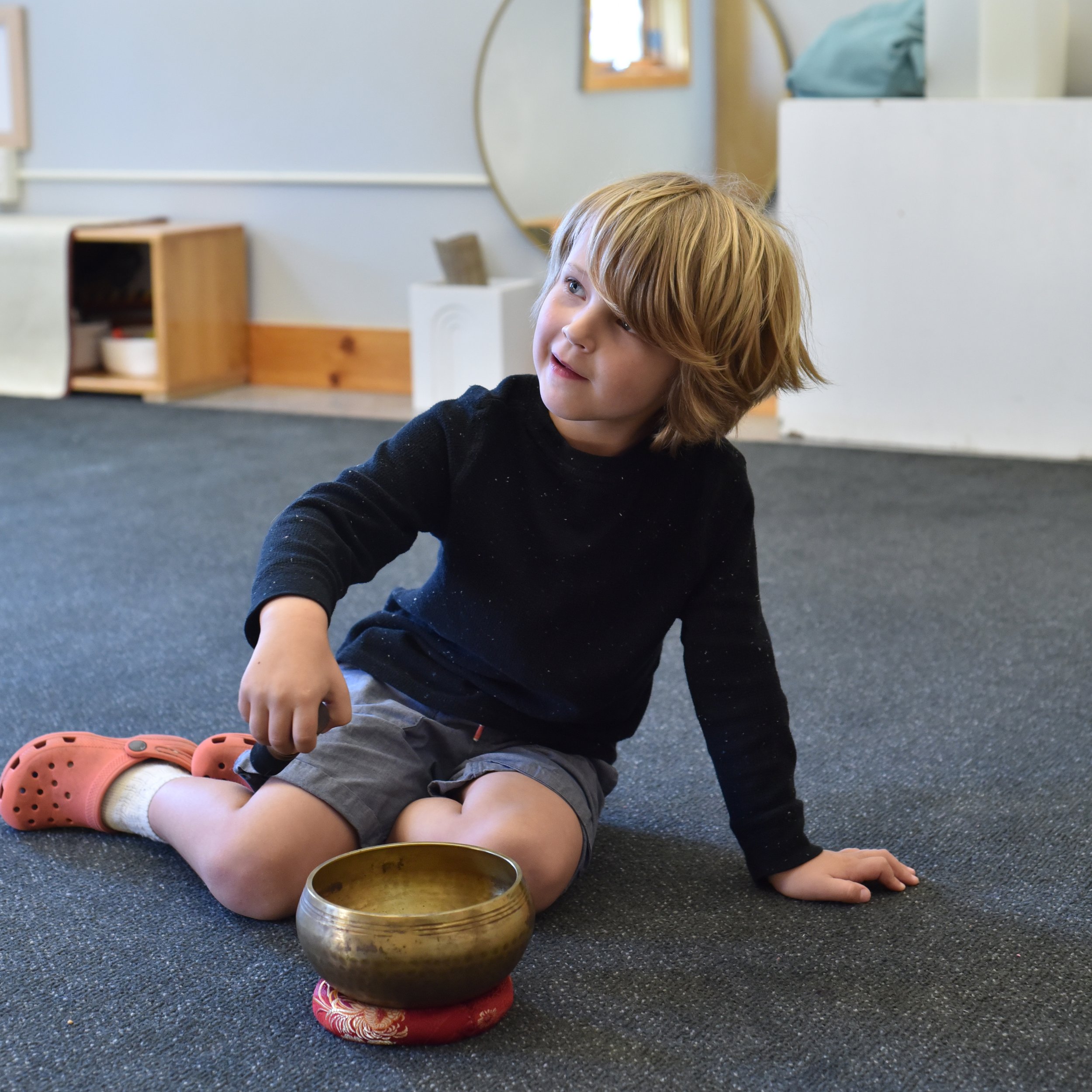
A core practice of the program is the "Brain Break,” a simple mindful breathing and listening activity practiced three times a day to help children rest their brains and build attention and self-regulation. Every student from Kindergarten through Junior High practices this daily as part of a full MindUP curriculum, co-facilitated by Steve Maas, Physical Education Specialist, and Jen Superson, LMSW & Mental Health Specialist.
Throughout the year, students move through four units, each building on the last:
In My Mindful Brain, students learn about three parts of the brain, the prefrontal cortex, amygdala, and hippocampus, using friendly symbols (a wise owl, a guard dog, and a memory elephant) to remember their functions.
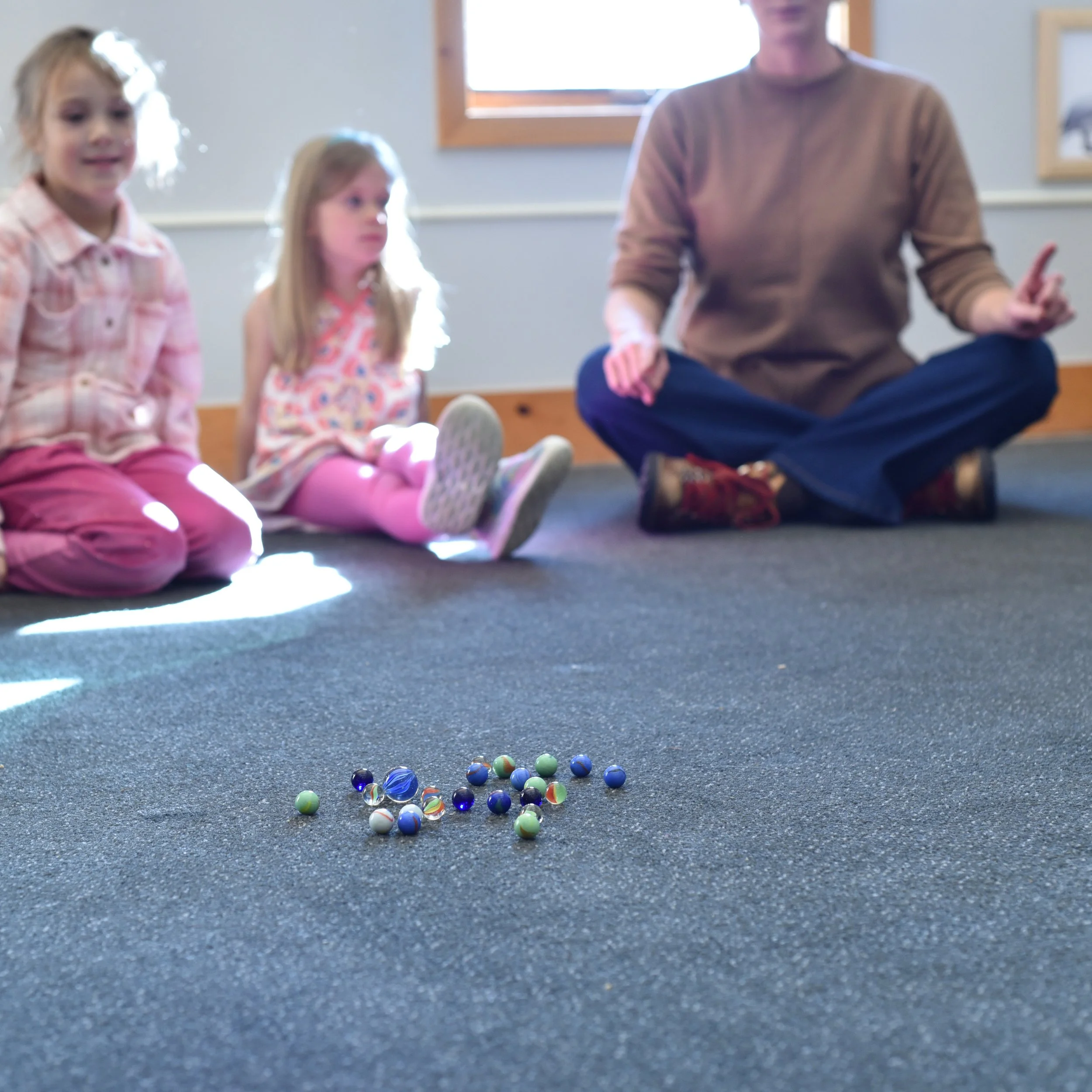
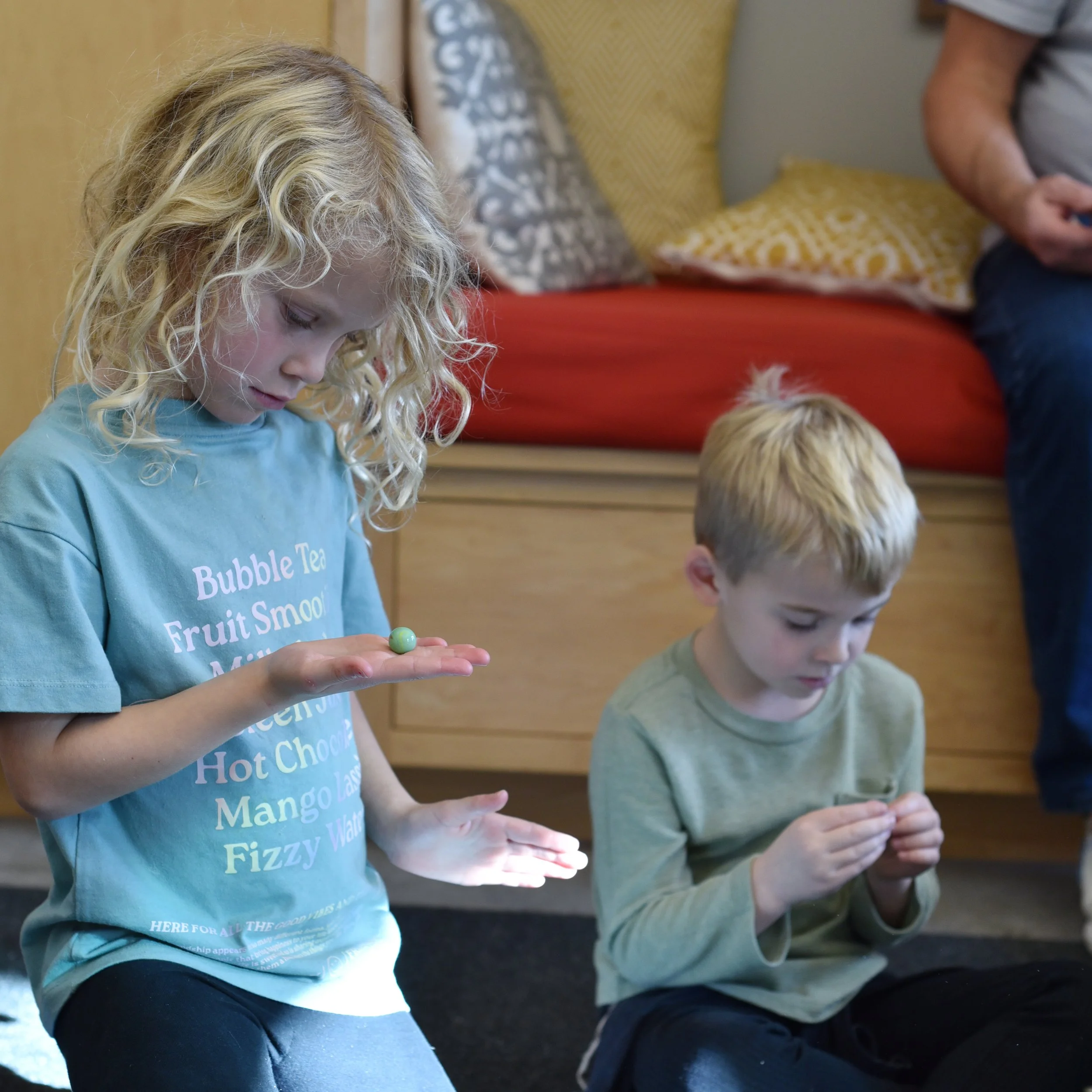
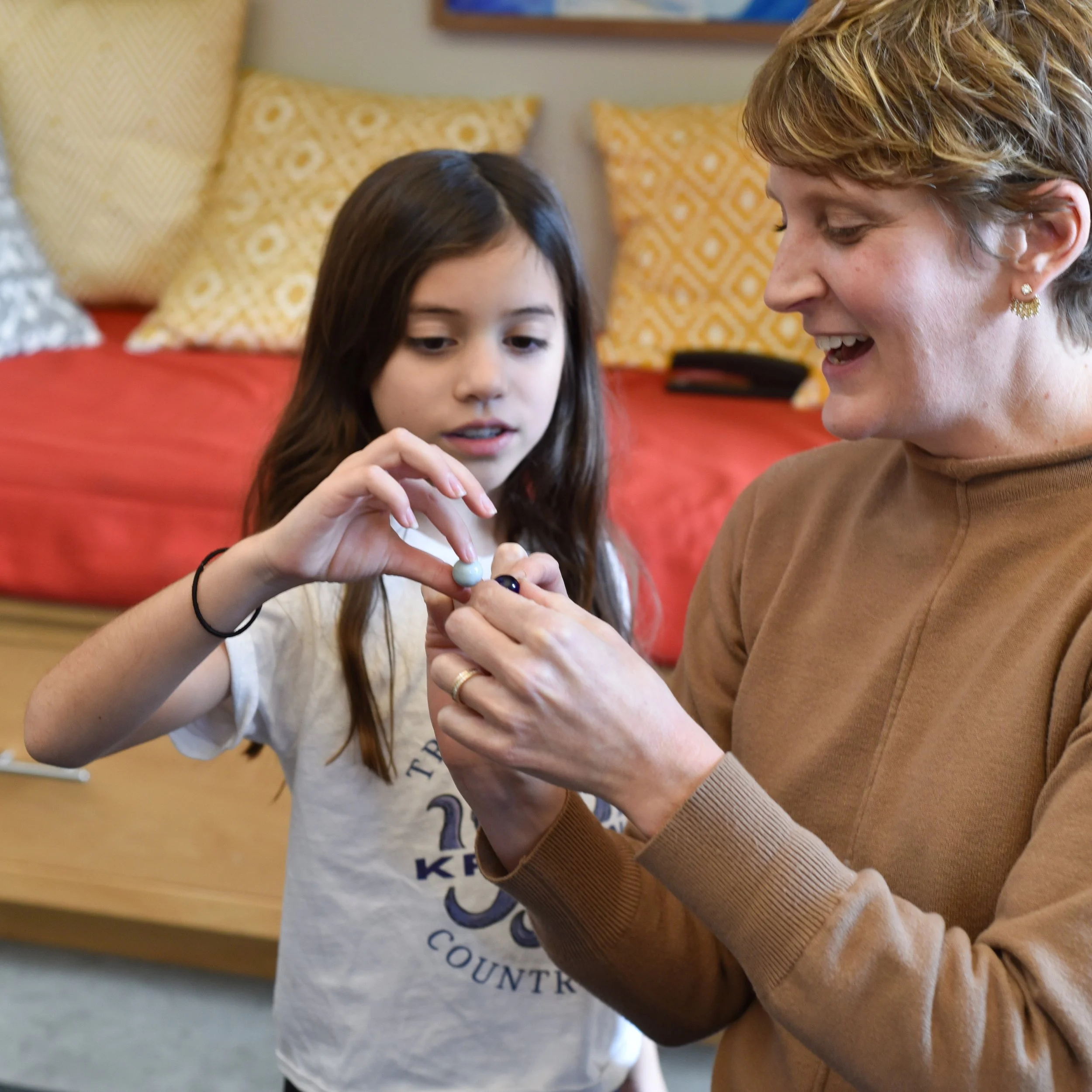
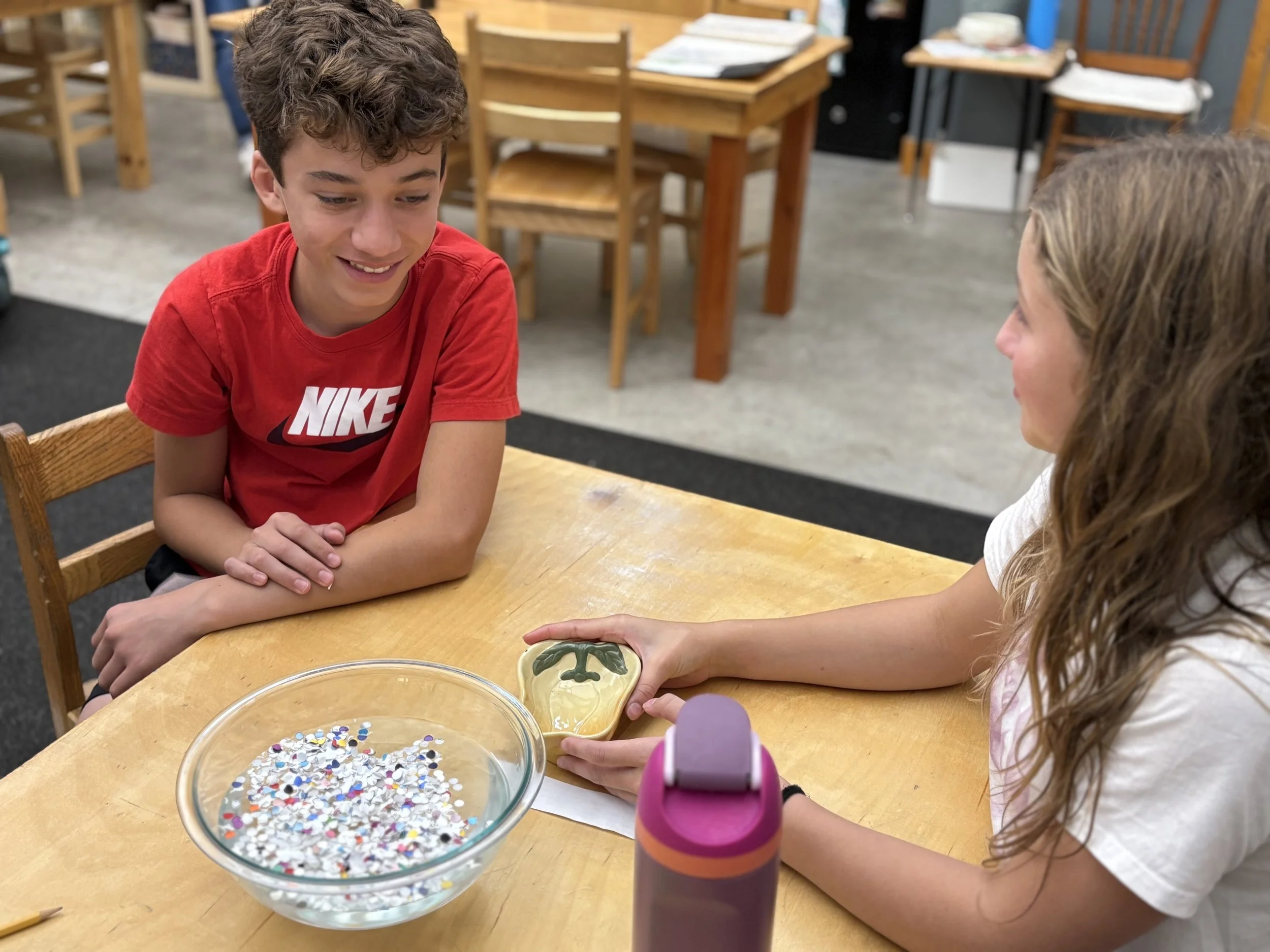
In Mindful Senses, students practice focused listening, seeing, smelling, tasting, touch, and movement each week, including a favorite activity in which they examine their own marble, mix it in with everyone else's, and then find it again by sense alone.
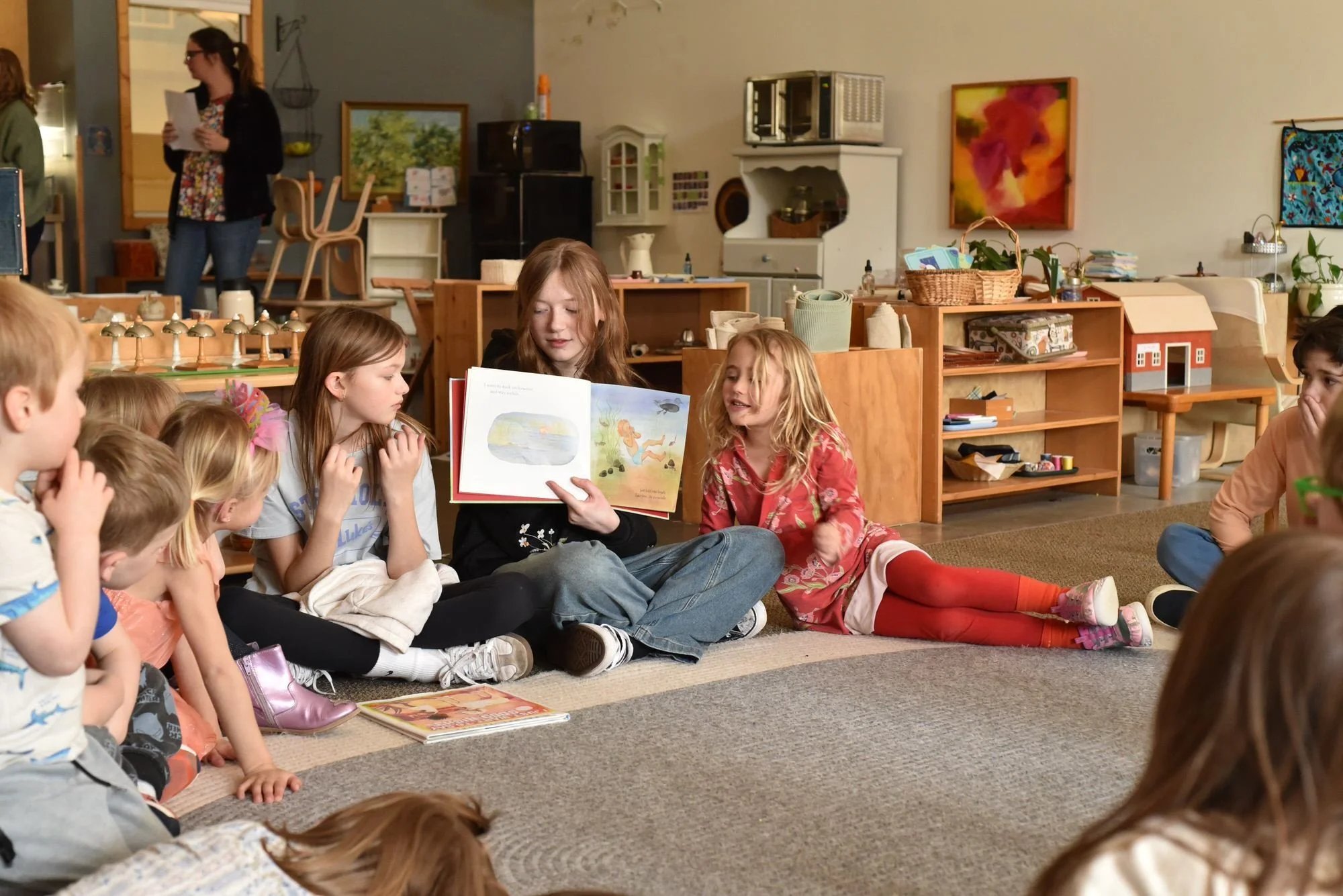
In Building Well-Being with a Mindful Mindset, students expand their emotional vocabulary, explore perspective-taking and empathy through characters in books, and practice noticing happy moments and cultivating optimism.
In Mindful of Ourselves in the World, students practice gratitude and kindness, learning that it's hard to feel angry and grateful at the same time.
Parents and caregivers can bring these strategies home through a short, self-paced online course designed to complement classroom learning, available at home.mindup.org.
Looking ahead, Jen Superson will expand the curriculum into all-class groups during the 2026-27 school year, weaving MindUP skills more fully across staff and throughout the school week. We'll continue tracking students' skill development and welcome ongoing feedback from families as this program grows.
To learn more about the research around social and emotional learning, please visit www.casel.org. For further details about MindUP™, please visit www.MindUP.org. If you have further questions about the program or would like more information, please contact Michele Shane, Head of School.