MindUP: A Year of Mindful Learning
What is MindUP, and how has it supported our students?
We are celebrating our first school year implementation of MindUP, an evidence-based social and emotional learning (SEL) program that helps our students better engage in learning, learn to self-regulate their behavior, and improve their attention skills and well-being. MindUP is a classroom-based program that teaches children strategies grounded in neuroscience, mindful awareness training, social and emotional learning, and positive psychology to support success in the classroom and in life.
Why is implementing a social and emotional learning program like MindUP so important?
Student mental health is one of the most important issues of our time. Preventative mental health programs, like MindUP, address the rising rates of depression, anxiety and suicide amongst the children who are our future!
Who facilitated the MindUP curriculum?
This past school year, Steve Mass, Physical Education Specialist, and Jen Superson, LMSW & Mental Health Specialist, co-facilitated the MindUP curriculum for all students Kindergarten - Upper Elementary on Mondays during gym class. Trisha Short, Counselor, led the lessons at the Junior High.
How did MindUP come to life in our classrooms?
Here's some exciting excerpts of what MindUP looked like at TCH!
Unit 1: My Mindful Brain
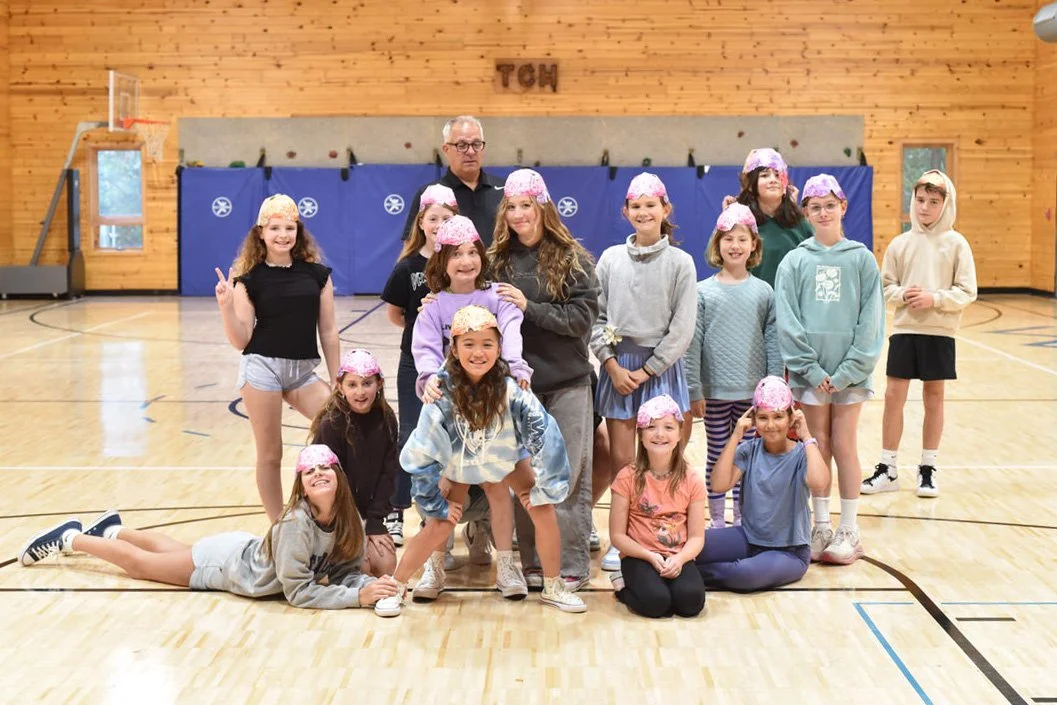
Students learned about three parts of the brain: the prefrontal cortex, the amygdala, and the hippocampus. Kindergarteners and Lower Elementary students labeled the parts of the brain and associated symbols to remember their functions (wise owl: prefrontal cortex; guard dog: amygdala; memory elephant: hippocampus).
Upper elementary students made brain hats!
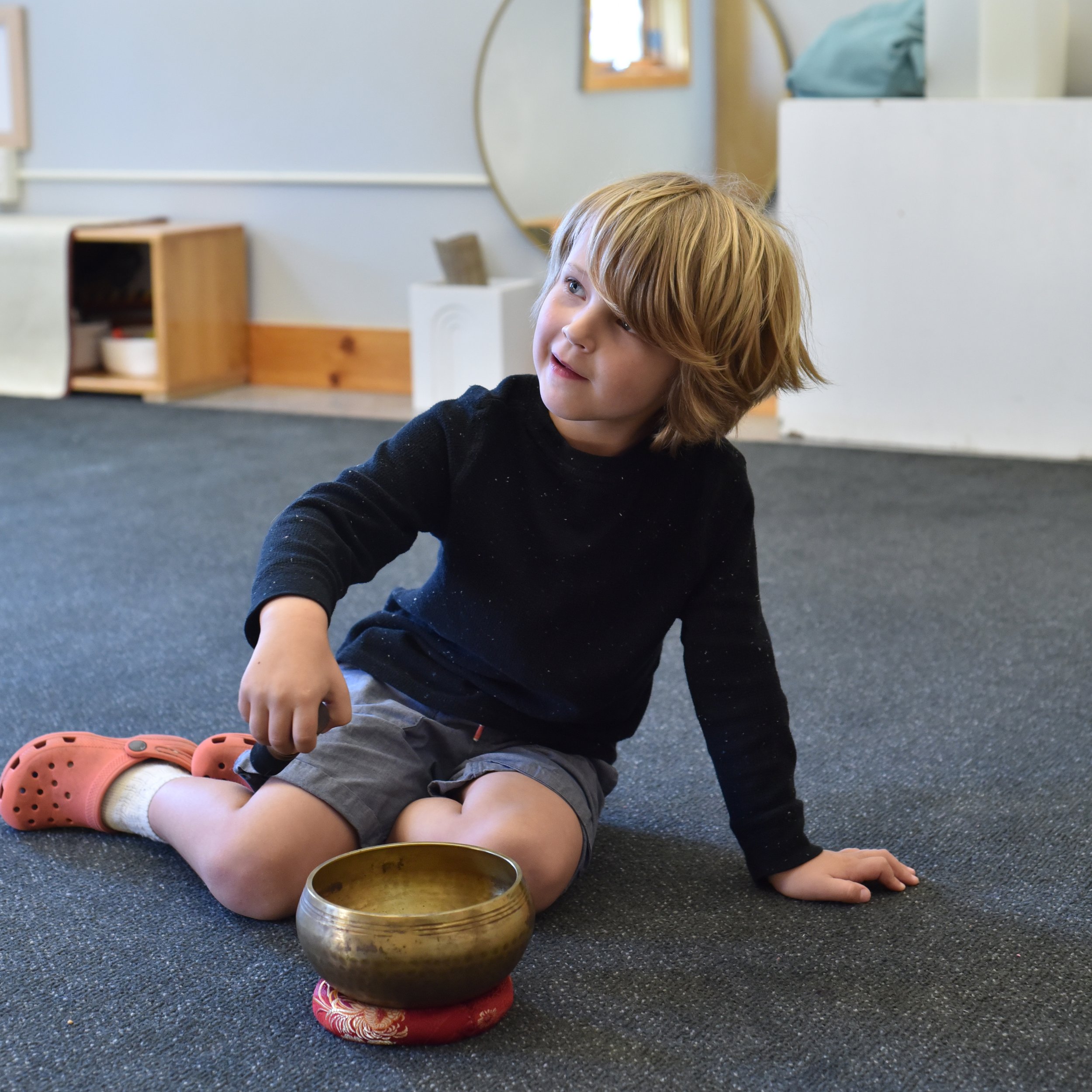
All students started practicing Brain Break to rest their brains 3x/day.
Take Home Lesson: Ask students to notice their thoughts throughout their day and think about which parts of the brain they are using in different scenarios, such as:
Choosing to read a book (PFC)
Jumping out of the way of a speeding bicycle (amygdala)
Remembering a story a friend told (hippocampus)
Listening to an adult’s request (PFC)
Remembering math facts (hippocampus)
Unit 2: Mindful Senses
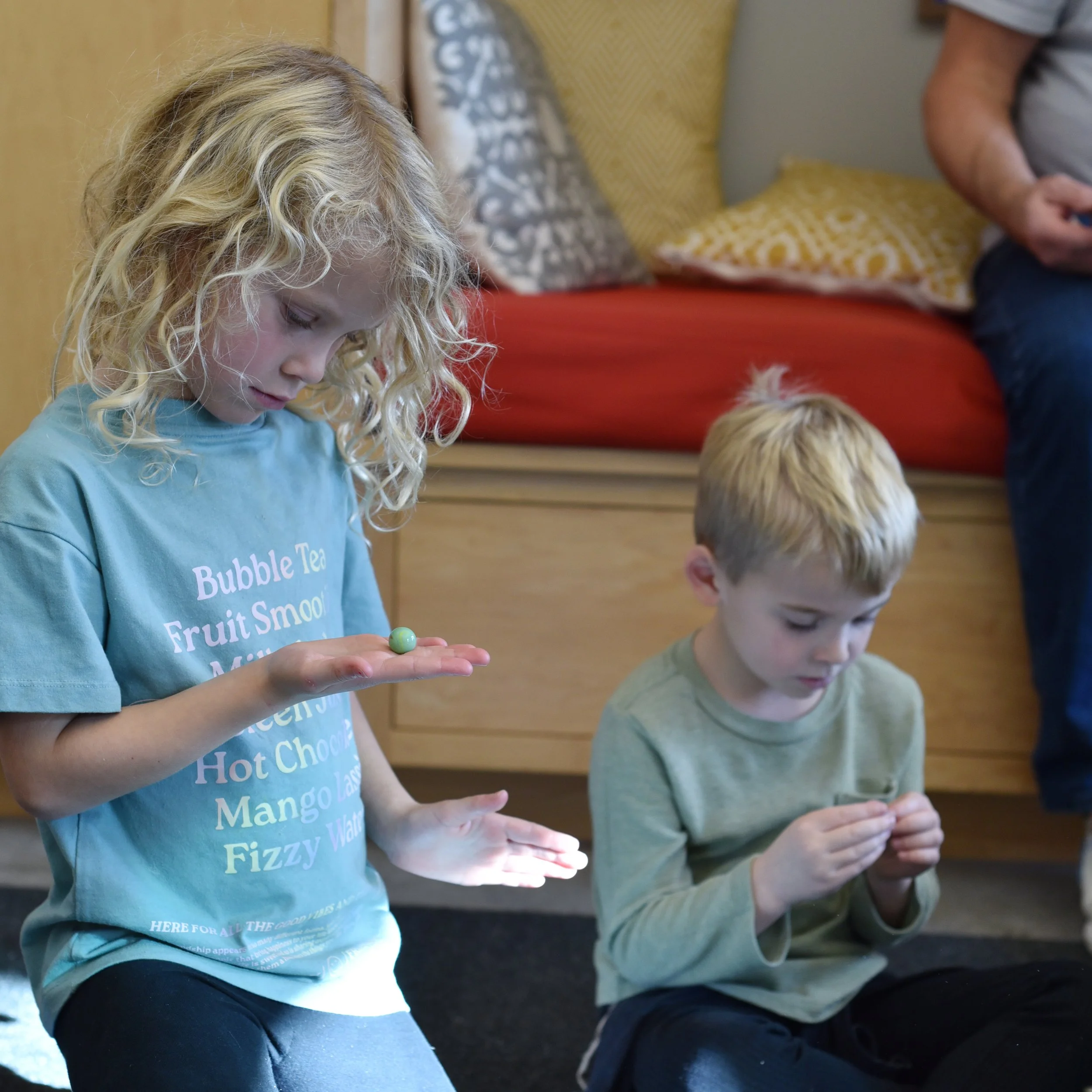
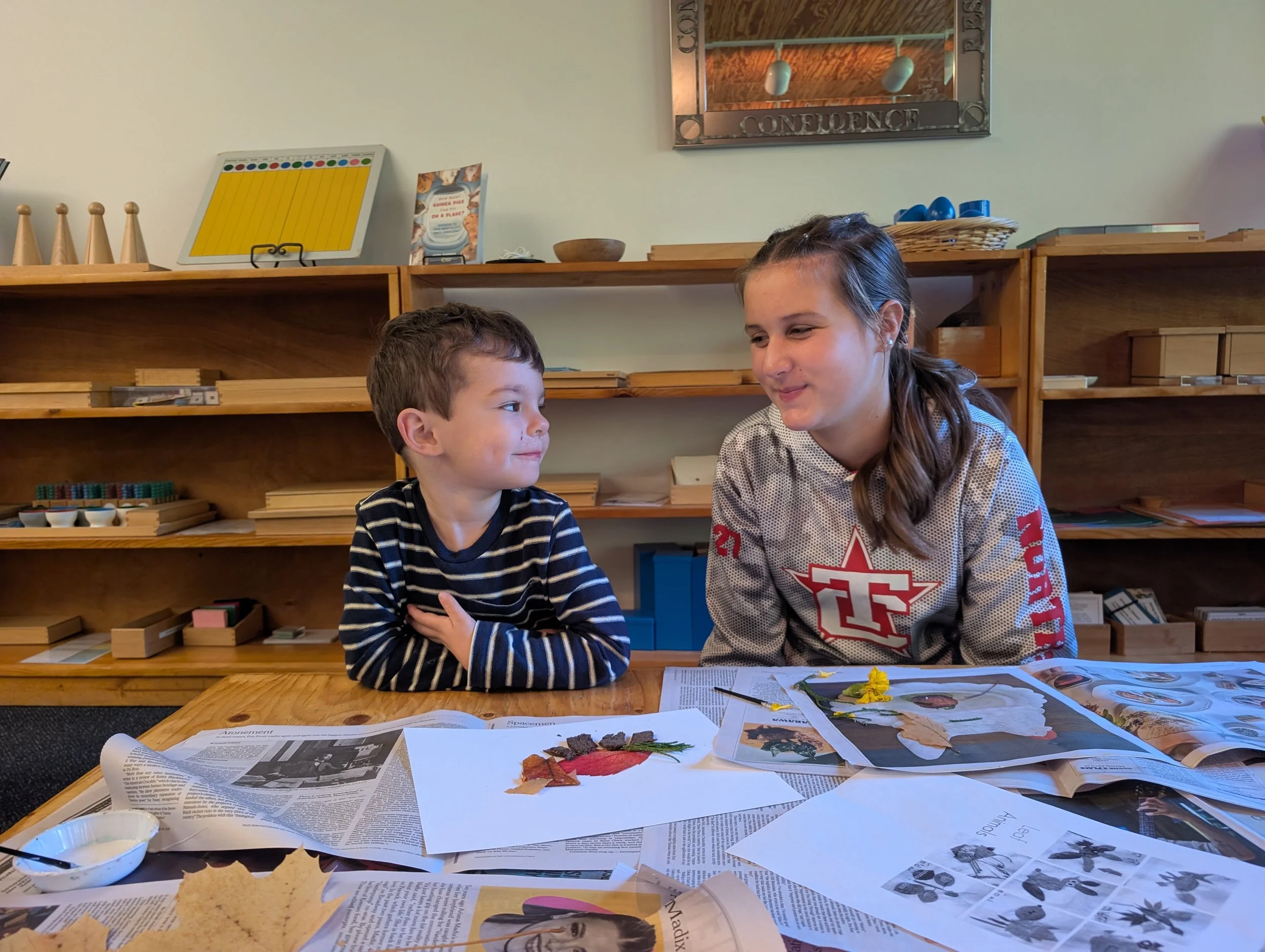
Students practiced different skills each week for focusing on listening, seeing, smelling, tasting, touch and movement.
One lesson had students examine their own marble, scramble all of the marbles in the center of the room, and then find their exact marble (see photos).
Take Home Lesson: Where do you see art in your daily lives? How do you look at art? How does it feel? Invite students to choose a piece of art in their home or in the community to look at mindfully (this could include sculpture, graffiti walls, paintings in museums, children’s art on the refrigerator, etc.). Ask them to pay attention to the colors, lines, images, facial expressions, body language, etc., depending on the image. What do they see? How does it make them feel? They should try to notice without judgment if they like, dislike, or are neutral about the art piece. How does looking at art in mindful ways differ from how they may usually look at art?
Unit 3: Building Well-Being with a Mindful Mindset
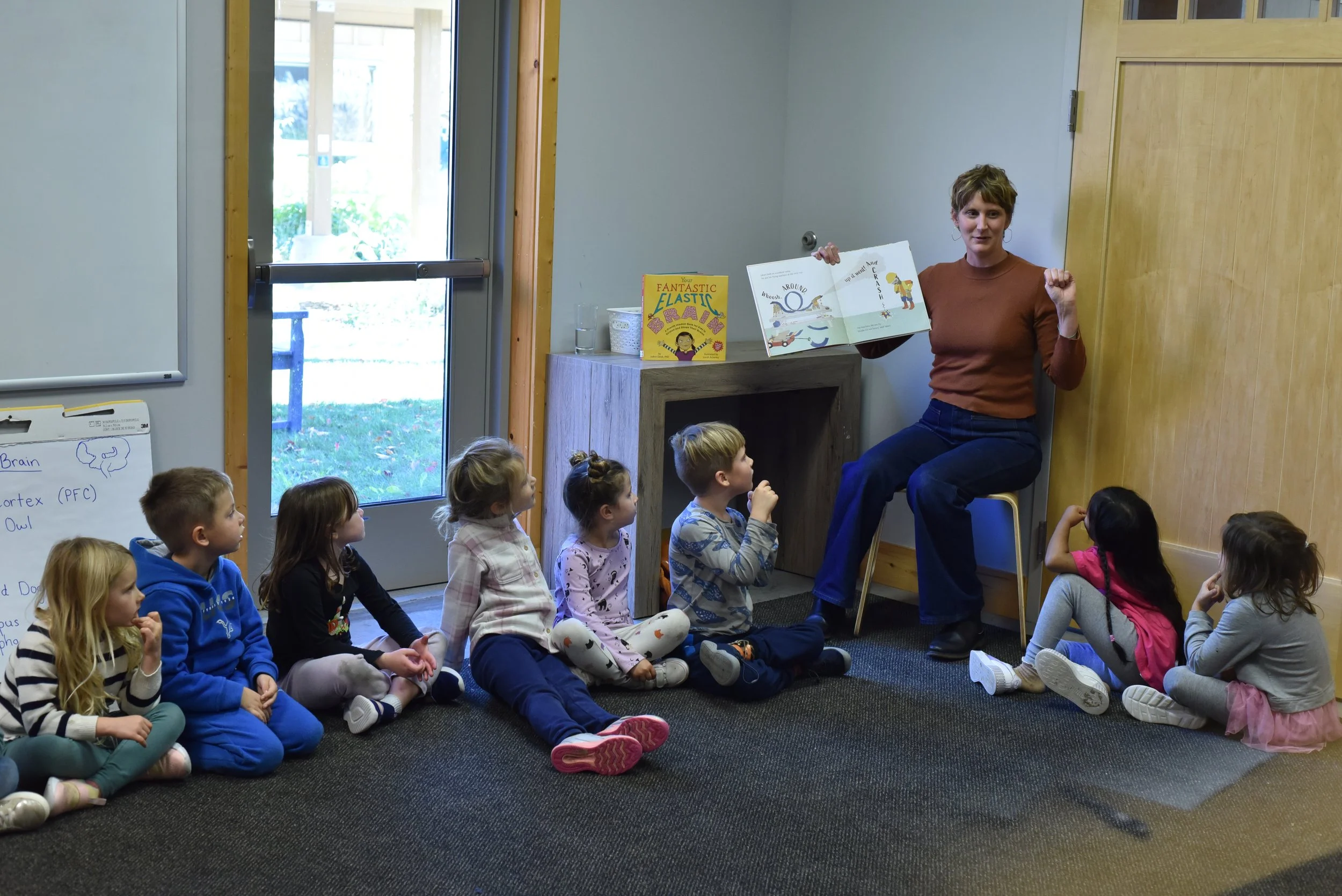
Students explored their feelings by learning that the more feelings works they know, the easier it is to name their feelings. They also developed perspective-taking and empathy, by examining all characters experiencing a difficult situation in a book. Students practiced optimism and skills for noticing happy experiences.
Take Home Lesson: My Feelings Diary
Have students record how they’re feeling each hour for one weekend day. Have them also record what is happening at the time. Encourage them to use specific words for their feelings and to note if they’re feeling more than one feeling at the same time. For example:
Do they feel the same way in the same situation each day?
Do their feelings change during the day?
Do they have any strong feelings?
What do they do to calm them down?
Younger students can draw pictures or use colors to show what they are doing.
Unit 4: Mindful of Ourselves in the World
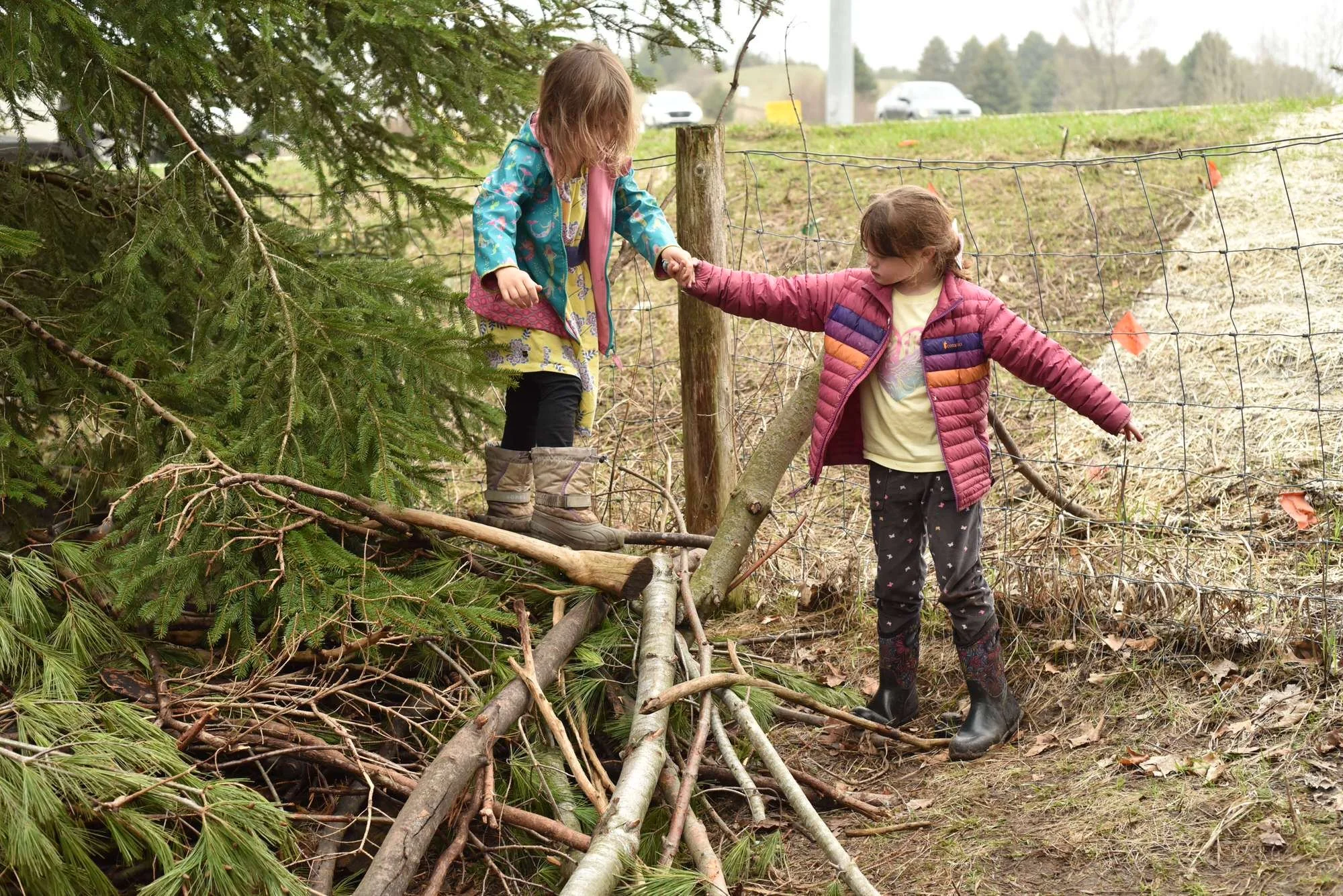
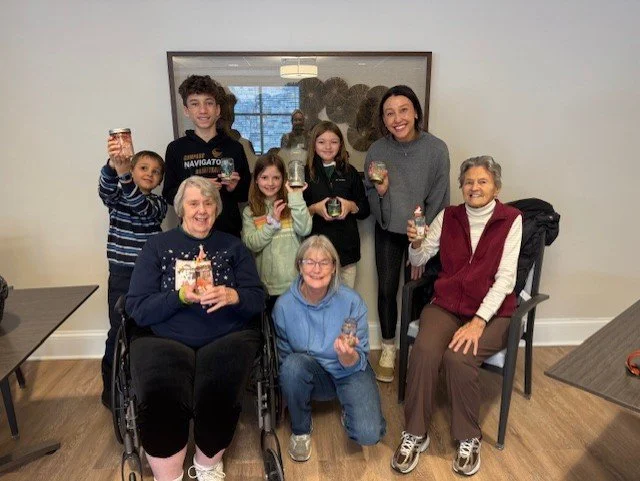
Students practiced gratitude and acts of kindness toward themselves and in their community. Students learned that they cannot be angry and grateful at the same time! Students celebrated all of the kind acts of service they had participated in through TCH, including participating in activities with the Senior Center, the sock drive, and cleaning up the TART trail.
Take Home Lesson: Acts of Kindness
Keep a collection of “kindness notes” in a special container where students can randomly write down and add kind thoughts they have for others, such as things they notice that they appreciate. Then, at any time during the day, pull out a kindness note and read it together.
What's Next for MindUP at The Children’s House?
This upcoming school year, Jen Superson is going to implement the curriculum into each classroom during all-class groups to further integrate the skills and lessons with all staff and throughout the school week. We are going to track the skills development throughout the school-year, and welcome continuous feedback and engagement from families on their childrens' learning and mental health processes.